

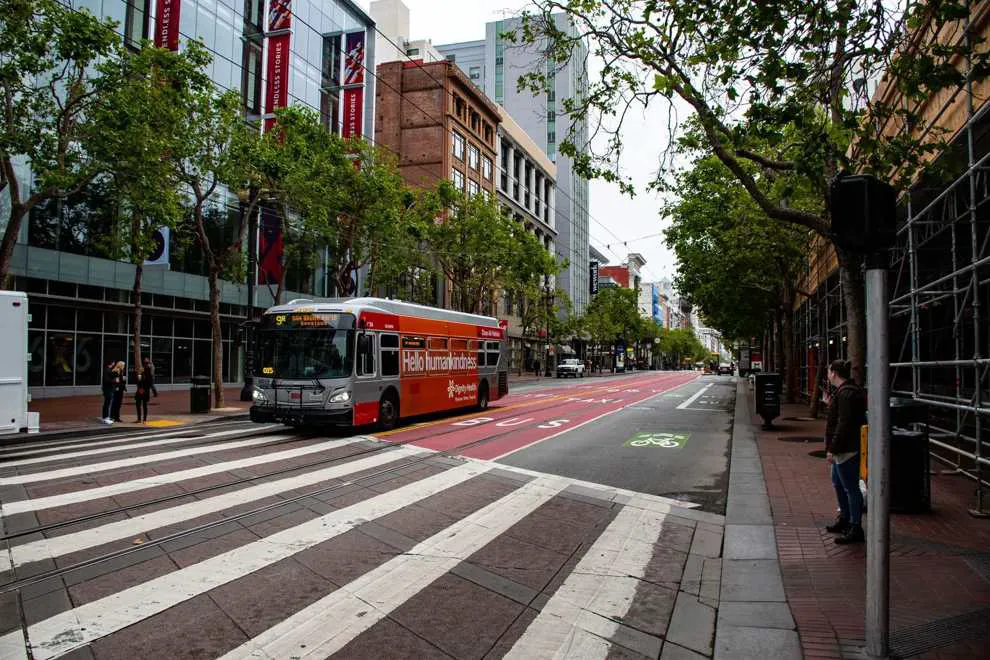
A bus collision in Riverside can leave an injured passenger, pedestrian, cyclist or driver trying to identify an operator while important records are still in the operator's possession. A riverside bus accident lawyer at DC Law Group can be reached at (310) 571-8860 to discuss the next steps. This guide explains how public transit, charter, school and shuttle bus claims can differ.
Whether the collision occurred on a Riverside city street, near a transit connection, or on a busy interchange such as SR-91, the first priorities are safety and medical care. The same is true on a private route serving the Inland Empire. The bus's operator, a public agency, a school district, a private carrier, a maintenance company or another driver may control evidence that is difficult to replace later.
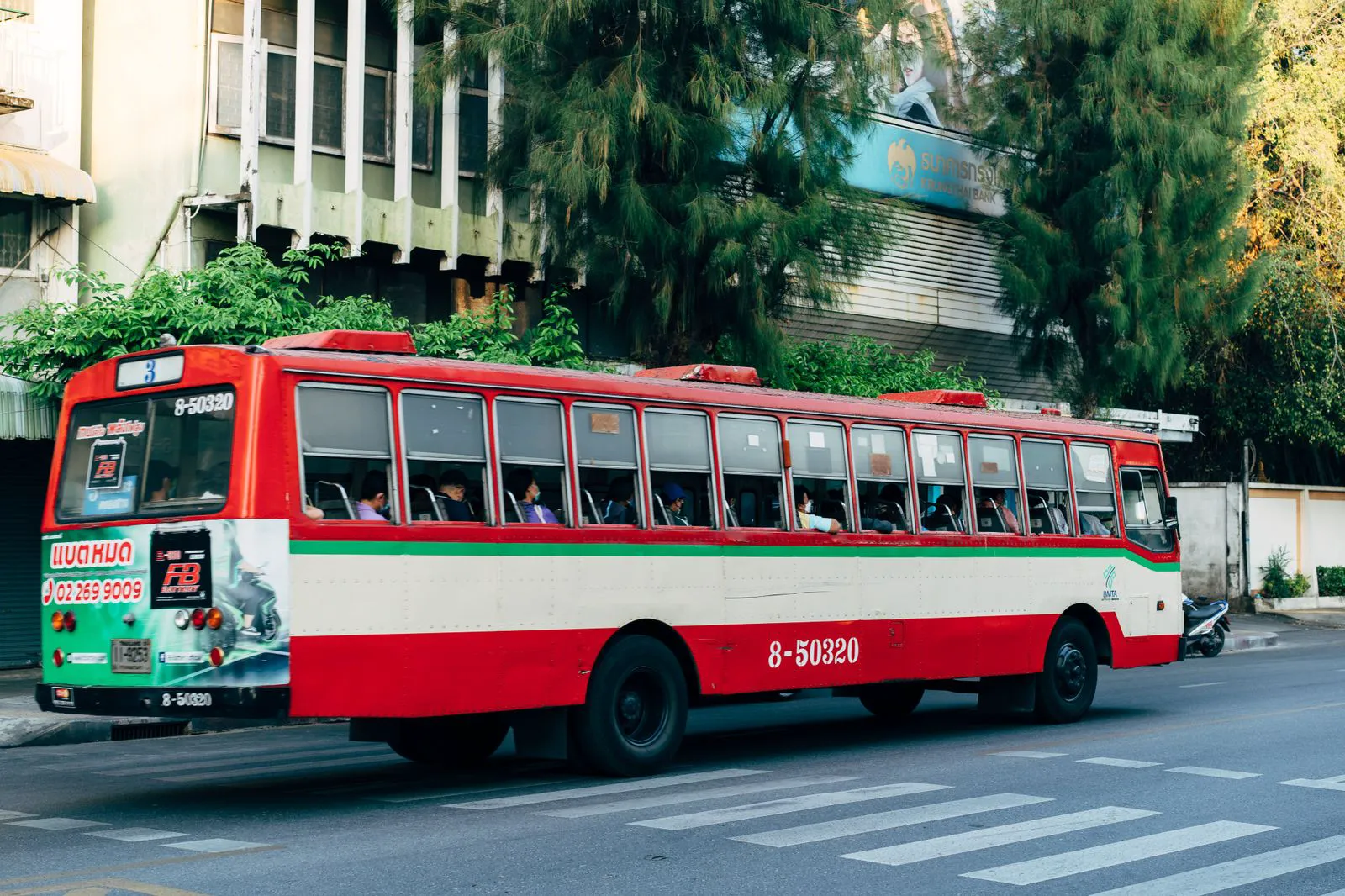
Passengers seated inside a city bus during a trip
Passenger records and route details can help identify the bus involved in a Riverside collision.
How a Riverside bus accident lawyer can help after a bus crash
Start with immediate safety and medical needs. If anyone is in danger, call 911 and follow emergency personnel instructions. Do not delay medical evaluation because symptoms can develop after a collision. Then take practical steps that help identify the event and preserve a potential claim:
- Get emergency help when needed and arrange a medical evaluation.
- Identify the bus, operator, route, location, witnesses and other vehicles.
- Photograph the scene and keep tickets, reservations and medical records.
- Ask that video, vehicle data and other records be preserved.
- Write down the date, time, route, direction of travel, bus number, stop, cross streets and the names of any operator or agency you can identify.
- Photograph the vehicles, roadway, traffic signals, crosswalk, visible injuries, damaged property and surrounding conditions when it is safe.
- Collect names and contact details for passengers, pedestrians, drivers and other witnesses. Ask whether anyone recorded the collision.
- Keep a bus pass, fare receipt, ticket, charter reservation, school-trip notice or rideshare connection showing why you were there.
- Report the collision to the appropriate law-enforcement agency and bus operator, but avoid guessing about fault in a recorded statement.
- Save medical records, discharge instructions, prescriptions, appointment notes, photographs of healing injuries and communications from insurers or the operator.
For a broader first-week checklist, see DC Law Group's guide to what to do after a California car accident. Many of the evidence steps also help when the vehicle involved is a bus.
When can a Riverside public transit injury involve a government claim?
A public bus collision may involve a city, county, transit district or another public entity. The Government Claims Act can require an injured person to present a claim before filing a lawsuit. California Government Code section 911.2 generally requires a claim for personal injury against a public entity to be presented within six months after accrual. The statute has exceptions and separate rules for other types of claims, so the date and defendant should be reviewed promptly.
If a public entity gives written notice rejecting a timely claim, California Government Code section 945.6 generally addresses the period for bringing suit after that rejection. A missed notice period may affect available remedies, although California law has procedures concerning late claims in some circumstances. Do not assume that the ordinary personal-injury timeline applies to a public bus just because the collision happened on a public road.
Potential public-entity liability is fact-specific. Government Code section 835 addresses when a public entity may be liable for a dangerous condition of public property, while section 830.6 addresses design immunity. Those provisions do not create an automatic claim after every transit collision. The route, roadway, bus operation, maintenance history, warnings, traffic controls and other facts must be examined.
What deadlines apply to a private charter, school or shuttle bus claim?
The deadline depends on who may be legally responsible and the nature of the claim. A private charter company, tour operator or shuttle carrier may be subject to ordinary California personal-injury filing rules, while a school district or public transit agency may involve government-claim procedures first. A private contractor serving a public agency may also require careful analysis of the contract and the entity's role.
California Code of Civil Procedure section 335.1 generally provides a two-year period for an action based on personal injury, but that is not a universal answer. Minors, delayed discovery, wrongful-death claims, claims against public entities and other circumstances can change the analysis. Preserve the claim before relying on a deadline calculation. A prompt review can also identify a need to send a preservation request for video, GPS data, driver logs, maintenance records and electronic communications.
California's DMV provides collision-reporting information in its DMV accident-reporting page. A driver generally must report a collision to the DMV within 10 days when it causes an injury, death or more than $1,000 in property damage. That reporting requirement is separate from a civil claim and does not replace a government claim notice or a lawsuit deadline.
Who may be responsible for a Riverside bus collision?
Liability may involve more than the person behind the wheel. The responsible parties depend on the cause of the collision and who controlled the relevant activity.
- Public transit agency or public entity: The entity may face claims tied to employee conduct, vehicle operation, maintenance, supervision or a qualifying roadway condition, subject to governmental-liability rules.
- Private carrier or charter company: A charter, tour or shuttle operator may be responsible for its driver's conduct, hiring, training, scheduling, inspection and maintenance practices.
- School district or school transportation contractor: The entity responsible for a school trip, bus or contract may need to be identified. The student's age and the entity's public or private status can affect procedure.
- Maintenance or service contractor: A defective repair, missed inspection or neglected component can raise questions about a contractor or fleet-service provider.
- Vehicle or component manufacturer: A tire, brake, restraint or other component may require a product-defect investigation when the evidence supports it.
- Another motorist or road user: A driver who strikes a bus, cuts into its path or causes a chain reaction may share responsibility with a bus operator or entity.
California law permits fault to be evaluated among multiple parties in appropriate cases. A lawyer will usually need the crash report, vehicle positions, witness accounts, camera footage, operator records and medical evidence before reaching a conclusion. DC Law Group's California bus accident claims guide provides statewide background; this Riverside guide focuses on local operator identification, public-entity procedures and the evidence problems that can arise after a bus crash.
How do passenger and pedestrian bus claims differ?
A passenger may have been inside a moving bus, boarding, exiting or standing near a stop when a sudden stop, turn, sideswipe or collision caused injury. The bus's speed, movement, handholds, seating, restraints, boarding area and driver actions may matter. A passenger should preserve the route, trip time, stop location and any fare or reservation record.
A pedestrian or cyclist may have been struck at a crosswalk, an intersection, a bus stop or while crossing near stopped traffic. Relevant proof can include signal phases, sight lines, lighting, nearby business video, bus-camera footage, vehicle telemetry, witness accounts and the timing of the bus route. Read DC Law Group's Riverside pedestrian accident guide and its California pedestrian-claim guide for related evidence and claim considerations.
In either scenario, the person who was injured should avoid making assumptions about shared fault. A passenger may be blamed for standing or moving, and a pedestrian may be blamed for crossing, but those conclusions require evidence. A traffic signal, operator video, witness account or physical mark may tell a different story.
What evidence should I preserve after a Riverside bus crash?
Bus claims often turn on records that can be overwritten, lost or separated across several organizations. Send a prompt written preservation request identifying the date, approximate time, route, bus number, direction and location. Depending on the facts, the request may seek:
- Onboard camera footage, exterior-camera footage and nearby traffic or business video.
- GPS, route, speed, braking, door, signal and other electronic vehicle data.
- Driver schedules, training, qualification, dispatch messages, incident reports and post-crash testing.
- Inspection, repair, maintenance and tire or brake records for the bus and any involved vehicle.
- Passenger manifests, tickets, fares, reservation records and school or charter-trip documents.
- 911 calls, police reports, transit incident reports, photographs, measurements and witness statements.
Keep the original files when possible. Do not edit video or photographs before storing a copy. Write down who provided each file, when it was received and what it depicts. The California truck-accident claims guide also explains why commercial-vehicle records and multiple-party investigations can be important in a serious roadway collision.
How can medical documentation support a bus injury claim?
Medical documentation connects the collision to the symptoms and describes the care needed. Tell providers about the bus crash and every symptom, including pain, dizziness, numbness, limited movement, sleep problems, anxiety or difficulty returning to normal activities. Follow-up records can show whether an injury improved, persisted or required additional evaluation.
Keep a chronological file with emergency records, imaging, prescriptions, therapy notes, referrals, work restrictions and receipts for treatment-related travel. Record missed work and changes to ordinary activities without exaggerating or minimizing them. The California Department of Insurance explains automobile liability insurance basics, but an insurer's request for a statement or records should be handled carefully. Coverage questions can involve the bus operator, another driver, an employer, a public entity or more than one policy.
Bus accident claim comparison: public transit, charter, school and shuttle operators
| Bus setting | Potential issues to identify | Early evidence to preserve |
|---|
| Public transit. | Public entity, transit agency, employee conduct, route or roadway condition, Government Claims Act procedure. | Route and bus number, fare record, onboard video, dispatch logs, agency incident report. |
|---|
| Private charter or tour. | Carrier, driver, contract terms, commercial insurance, maintenance and passenger records. | Reservation, itinerary, carrier information, driver details, vehicle inspection and video. |
|---|
| School transportation. | School district or private contractor, student supervision, public-entity rules, parent or guardian involvement. | Trip notice, bus number, student account, school report, witness information, camera footage. |
|---|
| Shuttle or employer transport. | Operator, employer, transportation contract, driver status and fleet maintenance. | Pickup details, schedule, employer or hotel records, GPS data, inspection and repair history. |
|---|
This table is a starting point, not a liability determination. Identifying the operator early helps direct a preservation request and keeps the deadline analysis focused on the parties that may actually be involved.
Call (310) 571-8860 to discuss a Riverside bus injury claim with DC Law Group.
Frequently asked questions about Riverside bus accident claims
What should I do after a bus accident in Riverside?
Get emergency help when needed, obtain medical care, report the collision, photograph the scene and keep your ticket or trip details. Identify the bus operator and preserve witness information quickly because video and vehicle records may not remain available indefinitely.
Do I need a government claim after a Riverside public bus accident?
Possibly. A claim involving a city, transit agency or other public entity may be subject to California Government Claims Act procedures. Government Code section 911.2 generally sets a six-month claim-presentation period for injury claims against a public entity, but the correct deadline depends on the facts and defendant.
Who may be responsible for injuries on a charter or shuttle bus?
Potentially responsible parties can include the private operator, driver, employer, maintenance contractor, vehicle manufacturer, another driver or a public entity that arranged transportation. Liability depends on evidence about driving, maintenance, supervision, vehicle condition and the crash itself.
Can a pedestrian bring a claim after being hit by a bus in Riverside?
Yes, a pedestrian may have an injury claim when a bus driver, another motorist, a public entity or another responsible party contributed to the collision. Crosswalk signals, camera footage, bus telemetry, witness accounts and medical records may help evaluate what happened.
What evidence matters in a Riverside bus injury claim?
Useful evidence may include photographs, video, the route and bus number, fare or reservation records, witness contacts, police or incident reports, driver information, medical records and communications with insurers. A prompt preservation request may be important for onboard or nearby video.
Bus injury claims can involve overlapping facts, multiple operators and deadlines that are not interchangeable. A Riverside-specific review can help identify the operator, preserve records and determine which California procedures may apply. DC Law Group, a Beverly Hills firm that represents injured people throughout California, can be reached through the contact page.
Call (310) 571-8860 to speak with DC Law Group about your Riverside bus accident claim.