
If you or your child was injured at a California amusement park, the first conversation with a lawyer should help you understand what happened, who may be responsible, what evidence matters, and which deadlines could apply. A strong consultation is not a sales presentation. It is a focused review of the accident, the injuries, and the practical steps needed to protect a potential claim.
What should you ask a California amusement park injury lawyer?
Ask whether the lawyer handles amusement-park and ride-related injury claims, how the firm investigates evidence that may be controlled by a park operator, which parties may be responsible, what deadlines may apply, and how the representation agreement works. You should also ask what the lawyer needs from you before the consultation and what you should avoid doing while the claim is being evaluated.
Amusement-park injury cases can involve more than a visitor and a park. A ride operator, park owner, maintenance company, ride manufacturer, security contractor, or another business may have information relevant to the event. The right questions help you learn whether the attorney can investigate those overlapping issues rather than treating the incident like an ordinary premises claim.
1. Do you handle amusement park and ride injury cases?
Start with experience that matches the facts, not just a general statement that the lawyer handles personal injury. Ask whether the attorney has investigated injuries involving roller coasters, water attractions, carnival rides, ride restraints, loading platforms, crowded walkways, food-service areas, or other park conditions. Ask what made those matters legally complex and how the attorney approached evidence preservation.
The answer should help you understand whether the lawyer recognizes the technical and operational issues that can arise. Depending on the event, the investigation may involve ride manuals, inspection records, maintenance and repair logs, training records, incident reports, surveillance footage, electronic ride data, photographs, witness accounts, and medical documentation. A lawyer should be able to explain which categories may matter without promising a result before reviewing the facts.
2. Who could be responsible for the injury?
Ask the lawyer to identify the possible parties and explain what facts would support or weaken each theory. California Civil Code section 1714 states the general rule that a person is responsible for an injury caused by a lack of ordinary care or skill in managing property or a person. The statute is a starting point, not a conclusion that a park is automatically liable.
California Civil Code section 1714 may be relevant when the claim concerns a property condition, an operational decision, or another act that allegedly caused harm. A lawyer may also examine whether a park operator ignored a known hazard, failed to train or supervise personnel, allowed an attraction to operate when it was unsafe, or failed to follow its own procedures.
Other potential sources of responsibility can include a ride manufacturer, an inspection or maintenance contractor, a security company, a food vendor, or another entity that controlled part of the visitor experience. Your attorney should explain that responsibility depends on evidence, contracts, control, causation, and the specific injuries involved. DC Law Group's premises liability guide offers additional background on property-based injury claims.
3. What evidence should I preserve now?
Ask for a short, practical evidence checklist. Do not assume the amusement park will preserve every item that may later matter. Save your admission ticket, reservation, receipt, wristband, ride information, map, photographs, videos, clothing, text messages, emails, and any written communication with park personnel or an insurer. Write down the date, approximate time, attraction name, location, sequence of events, people present, and names or contact details of witnesses while the memory is fresh.
Request copies of medical records and follow the treatment plan provided by your health-care professionals. Keep a simple record of symptoms, appointments, restrictions, missed work, and the ways the injury affects ordinary activities. Do not post photographs, videos, or detailed descriptions of the incident on social media before speaking with counsel. Public posts can be taken out of context and may become part of an insurance or litigation dispute.
Tell the attorney if park staff asked you to sign an incident report, release, waiver, statement, or other document. Bring a copy if you have one. Do not alter, discard, or clean clothing or equipment that may relate to the event unless a medical professional instructs you to do so for health reasons.
4. Can the park's inspection and maintenance records be obtained?
Ask how the attorney would seek records that are not available to visitors. California regulates permanent amusement rides through inspection and safety requirements. California Code of Regulations, title 8, section 344.8 addresses operational inspections, annual inspections, records audits, and the closure of a ride found to be unsafe until required repairs or modifications are completed and certified.
California's official ride-inspection regulation can help explain why inspection history, maintenance records, repair records, training records, and accident records may be important investigative targets. The existence of a regulation does not prove that a park violated it or that a violation caused a particular injury. Your lawyer should connect each requested record to the facts of the incident and the legal elements that must be established.
Ask whether the attorney will send a preservation request, seek surveillance footage, obtain incident documentation, consult an engineer or other qualified professional, and investigate the ride's condition before and after the event. Time matters because video systems may overwrite footage and equipment may be repaired, moved, or returned to service.
5. Which deadline applies to my claim?
Ask the lawyer to identify the filing deadline based on the date of the injury, the identity of the potential defendants, the age of the injured person, and any special facts. California Code of Civil Procedure section 335.1 generally provides a two-year period for an action seeking recovery for an injury to, or death of, an individual caused by the wrongful act or neglect of another.
California Code of Civil Procedure section 335.1 is not a substitute for case-specific advice. Different rules may affect minors, claims involving a public entity, a death, a delayed discovery issue, or another defendant-specific circumstance. If a public agency is involved, an administrative claim deadline may apply before a lawsuit can proceed. Give the lawyer the exact date and location of the incident, and do not wait until a deadline is near to request an evaluation.
If someone died in the incident, ask a separate question about wrongful-death standing and deadlines. California Code of Civil Procedure section 377.60 identifies categories of people who may bring a wrongful-death action, subject to the statute's requirements. A family should not assume that the person who paid for the ticket or the person who witnessed the incident automatically controls the claim.
6. What compensation could be part of the claim?
Ask the lawyer which categories of harm may be documented in your circumstances. Depending on the facts, a claim may involve medical treatment, rehabilitation, future care, lost income, reduced earning ability, physical pain, emotional distress, and the effect of the injury on daily life. A fatal incident may raise separate wrongful-death issues for eligible survivors.
The value and proof of a claim depend on the injury, the treatment course, the evidence of responsibility, the effect on work and family life, and the conduct of the parties. No responsible lawyer can promise a settlement amount from a short phone call. Ask what information would be needed to evaluate the harm and whether the claim should be reviewed by medical, vocational, engineering, or other professionals. A serious injury may also involve issues discussed in DC Law Group's catastrophic injury guide.
For a broader explanation of the civil claim process, see DC Law Group's guide to personal injury lawsuits in California. If the incident involved a death, the firm's California wrongful-death claims guide provides additional background. For a property-based injury comparison, review the firm's California swimming-pool injury guide. These resources provide background, but a consultation is still necessary for the facts of an individual case.
7. How does the representation agreement work?
Ask the lawyer to explain the representation agreement in plain language before signing it. Topics may include the firm's role, communication expectations, attorney fees, case expenses, litigation decisions, settlement authority, and what happens if the representation ends. You should receive time to read the agreement and ask questions about any provision you do not understand. You can also review DC Law Group's questions about when to hire an injury lawyer before the call.
Ask who will be your point of contact and whether the attorney will personally review major decisions. Also ask how quickly the firm expects to send preservation requests, contact insurers, gather records, and assess whether a lawsuit is necessary. A clear process helps you make an informed decision without relying on vague assurances. If you prefer to begin online, you can review DC Law Group's appointment page before calling.
What should I have ready before calling a lawyer?
You do not need a complete case file to request a consultation. Gather the information you can without delaying medical care:
* The date, time, and name of the amusement park or attraction.
* A short description of what happened and whether a ride, restraint, surface, employee, or other condition was involved.
* The names of injured people, witnesses, park staff, and any responding agency.
* Photographs, videos, tickets, receipts, incident paperwork, and communications.
* The date of the first medical visit and a summary of continuing symptoms or restrictions.
* Any insurer contact, proposed statement, release, or settlement communication.
* The names and contact details of other lawyers or insurers already involved.
If you cannot locate everything, call anyway. Tell the attorney what you know, what you do not know, and what evidence may be controlled by someone else. Do not guess about details simply to make the account sound complete.
What should I avoid doing before the consultation?
Avoid giving a recorded statement to an insurer before you understand your rights. Do not sign a release, accept a settlement, speculate publicly about fault, or delete relevant messages and photographs without legal advice. Keep copies of every letter, email, text, and form related to the incident.
Seek prompt medical care for symptoms and follow professional instructions. Your health comes first, and medical records can also help document the nature and timing of the injury. If you are contacted by the park, an insurer, or another business, write down who contacted you, what was requested, and when it happened, then ask a lawyer how to respond.
How can DC Law Group help evaluate an amusement-park injury?
DC Law Group represents California accident victims and families in personal injury matters. The firm can review the basic facts, identify evidence that may need to be preserved, discuss potentially responsible parties, and explain next steps. A consultation does not replace a complete investigation, and no outcome should be assumed before the relevant records and medical information are reviewed.
To prepare for a conversation, bring the incident date, attraction details, injury information, and any communications you received. If another person died, mention that immediately so the attorney can discuss the separate wrongful-death issues that may apply. You can also use the firm's contact page to send a consultation request.

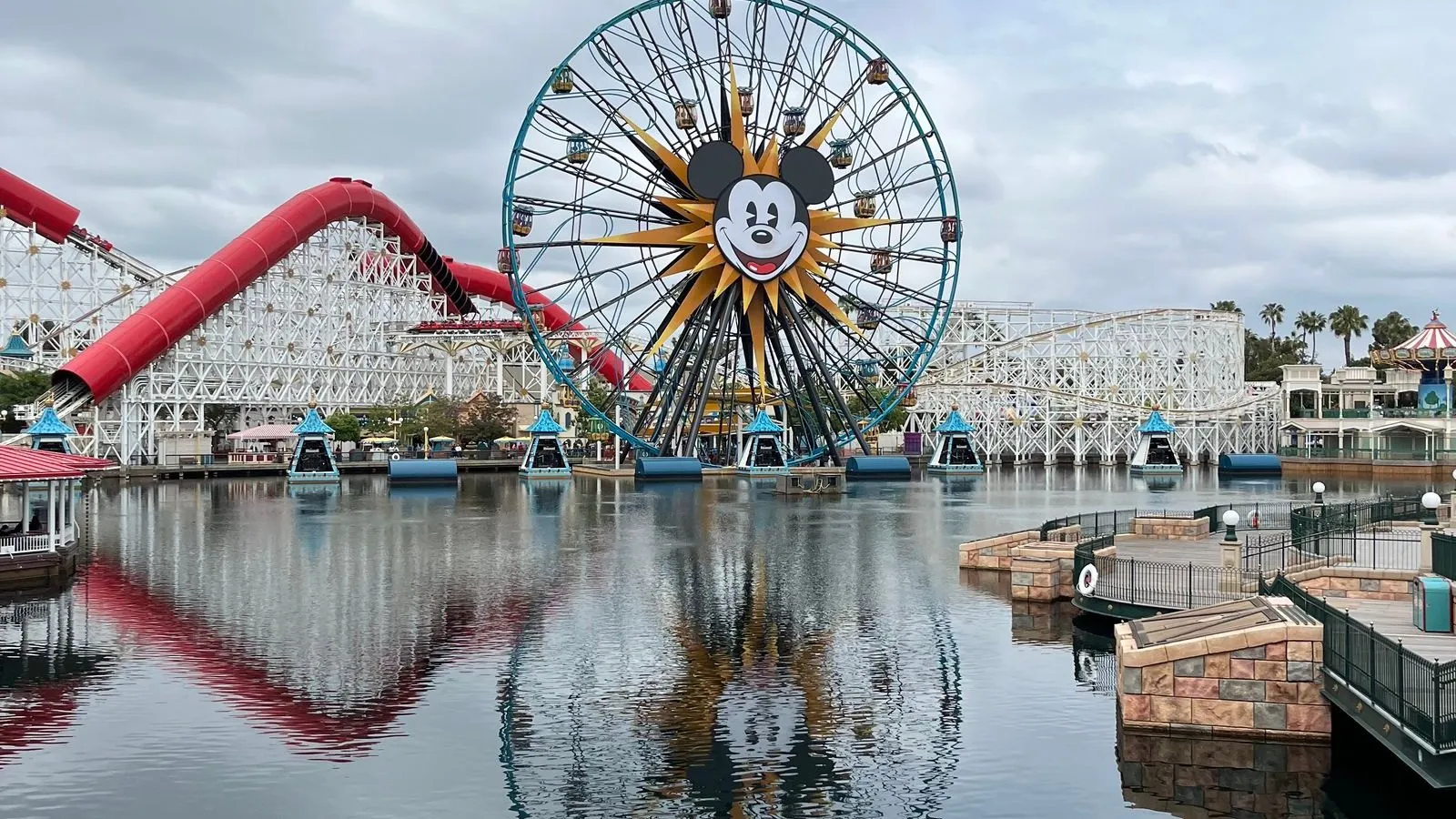
Colorful swing ride at a California amusement park
Call DC Law Group at (310) 571-8860 before signing an incident release or insurance document.
Frequently Asked Questions About California Amusement Park Injury Claims
Do I need a lawyer after an amusement park injury?
A consultation can help you understand whether the facts suggest a claim, what evidence may need preservation, and which deadlines could apply. The answer depends on the injury, the conduct involved, the available proof, and the identity of potentially responsible parties.
Can I bring a claim if I signed a park waiver?
A waiver may be relevant, but signing a document does not allow a lawyer to decide the case without reviewing its language, how it was presented, the injury facts, and applicable California law. Bring the complete document to the consultation and do not assume it ends the analysis.
What if the park says the injury was my fault?
Ask a lawyer to review the complete sequence of events, warnings, instructions, equipment condition, staff conduct, and medical evidence. California uses fact-specific rules that can account for conduct by more than one person, so an initial statement from a park or insurer is not the same as a legal determination.
How long do I have to file an amusement park injury lawsuit in California?
California Code of Civil Procedure section 335.1 generally provides two years for an action involving injury or death caused by wrongful conduct or neglect, but exceptions and different procedures may apply. Get advice promptly rather than relying on a general deadline.
What if a child was injured at the park?
Tell the lawyer the child's age, the date of the incident, the medical treatment received, and whether a parent or guardian signed any document. Claims involving minors can involve different procedural and deadline questions, so a parent or guardian should seek case-specific advice promptly.