
A boating accident can turn a day on a California lake, harbor, or coastline into a serious injury claim. A California boating accident lawyer can help identify what happened, preserve evidence, determine who may be responsible, and explain the deadlines that could affect a claim. The right next step depends on the vessel, the waterway, the injuries, and the conduct of every person or business involved.
What should you do after a boating accident in California?
Safety and medical care come first. If you were injured in a collision, fall overboard, personal watercraft incident, propeller strike, wake-related incident, or another vessel accident, take practical steps as soon as you can:
- Move to a safe location and call 911 when anyone needs emergency care, cannot be located, or remains in danger.
- Get medical attention, even if symptoms seem minor. Some head, neck, back, and internal injuries become clearer after the initial shock has passed.
- Exchange names, contact information, vessel registration details, insurance information, and operator information when it is safe to do so.
- Photograph the vessels, damage, life jackets, safety equipment, waterway, lighting, weather, visible signs, and any injury that can be documented.
- Identify witnesses and preserve phone videos, messages, location data, rental records, and posts that may show what happened.
- Report the incident to the appropriate authorities and keep a copy of anything you submit.
- Avoid guessing about fault or giving a recorded statement to an insurer before you understand what the investigation may show.
Do not repair, discard, or materially alter a damaged vessel or piece of equipment before it can be documented. If the vessel is in a rental, marina, club, or commercial operation, send a written preservation request through counsel when appropriate.
When must a California boating accident be reported?
California State Parks Division of Boating and Waterways states that a boat owner or operator must report an accident when it involves a death, disappearance, an injury requiring medical attention beyond first aid, property damage exceeding five hundred dollars, or a complete loss of a vessel. The reporting periods depend on what occurred. Certain deaths, disappearances, and injuries beyond first aid must be reported within 48 hours. A death occurring later, property damage above that threshold, or a complete vessel loss must be reported within 10 days.
The California Division of Boating and Waterways reporting guidance explains the forms and submission process. California Harbors and Navigation Code section 656 also describes an operator's duty to render practicable assistance after a collision, accident, or other casualty, when doing so does not create serious danger to the operator, vessel, crew, or passengers.
An accident report is not the same as a personal injury claim. The Division of Boating and Waterways explains that the reporting system is used for safety and that report information is confidential. Preserve the report and related records, but do not assume that filing a report by itself establishes liability or protects every civil deadline.
Common causes of California boating accidents
Boating claims are fact-specific. A collision may result from one decision or a chain of unsafe conditions. Common issues include:
- Excessive speed or unsafe operation in a crowded harbor, channel, or marina.
- Failure to maintain a proper lookout or follow navigation rules.
- Operating while impaired by alcohol or drugs.
- Inexperience, inadequate instruction, or failure to supervise a passenger or renter.
- Overloading, unsafe seating, missing safety equipment, or poor maintenance.
- Mechanical or steering failure, a defective component, or a dangerous design.
- Unsafe wake activity, towing, water skiing, tubing, or personal watercraft operation.
- Hazardous conditions created by a rental company, marina, dock owner, tour operator, or other business.
California Harbors and Navigation Code section 655 prohibits using a vessel or similar device in a reckless or negligent manner that endangers a person or property. It also addresses operation under the influence. You can review the statute at the California Legislative Information website. A criminal investigation may provide important evidence, but a civil claim still requires a separate analysis of duty, breach, causation, damages, and available insurance or assets.

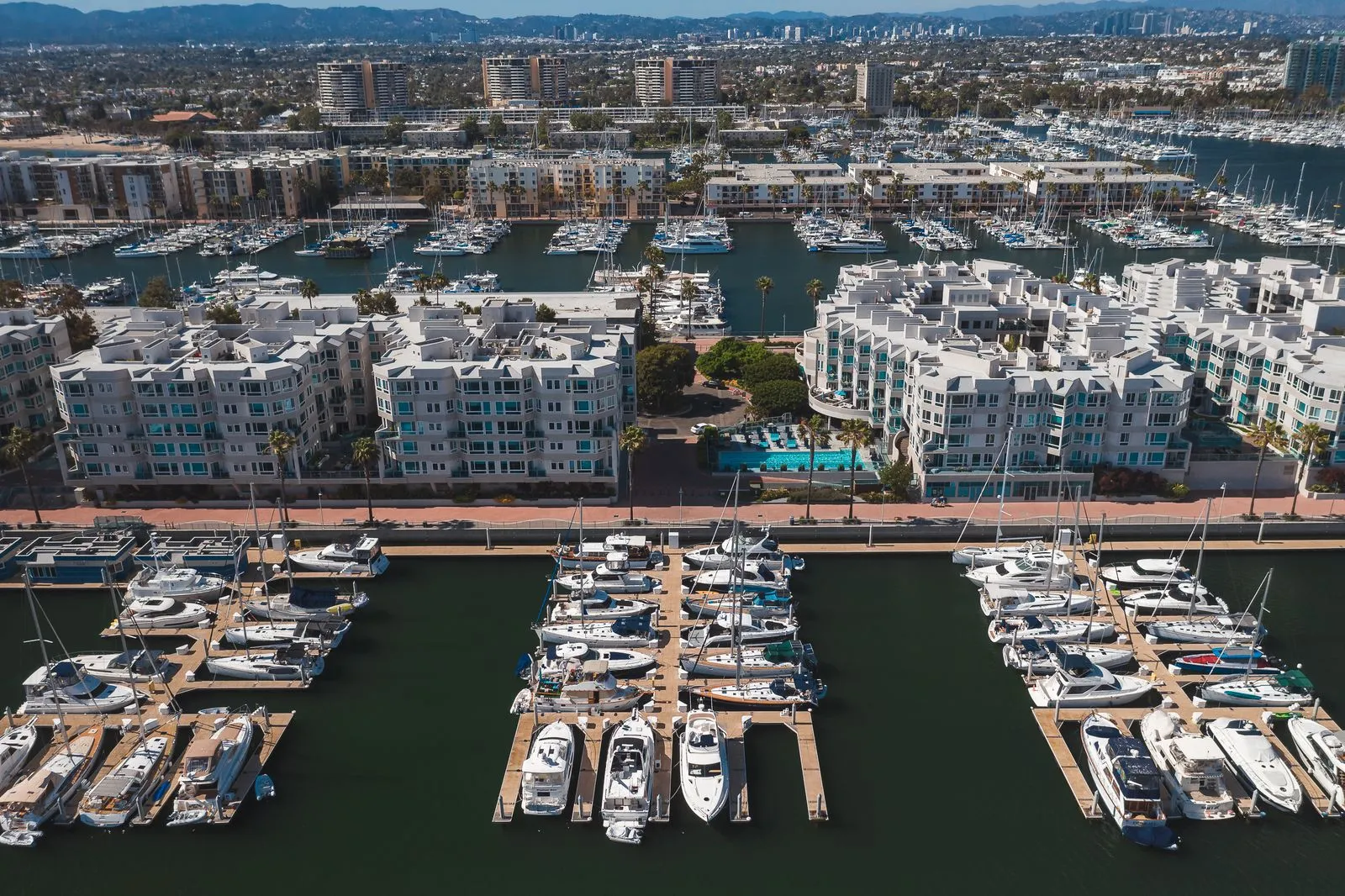
Boats gathered along a California lake at sunset
California lakes and marinas can involve different vessel operators, rental businesses, and witnesses, making early evidence preservation important.
Who may be liable for a boating injury?
The operator is not always the only possible defendant. Depending on the facts, a claim may involve:
- The person operating the vessel, if unsafe conduct caused the incident.
- The owner, if the vessel was negligently maintained or entrusted to an unsafe operator.
- A rental company, tour operator, or boat club, if it failed to inspect, instruct, supervise, or maintain the vessel.
- A manufacturer, distributor, or repair provider, if a defective product or negligent repair contributed to the injury.
- A marina, dock owner, or other property operator, if a dangerous condition or inadequate warning played a role.
- An employer, when the operator was acting within the scope of work.
- A government entity, in limited situations involving a dangerous public facility or other legally recognized basis for a claim.
More than one party may share responsibility. California's comparative fault rules can make the facts about each person's conduct important. A lawyer will also examine whether an insurer, rental agreement, maintenance record, ownership document, or product record identifies an additional source of recovery.
What evidence helps prove a boating accident claim?
Water conditions and physical evidence can change quickly. A careful investigation may include:
- Photographs and video from before and after the incident.
- 911 calls, dispatch records, Coast Guard or local law enforcement records, and the California boating accident report.
- Vessel registration, rental agreements, inspection logs, repair invoices, maintenance records, and operator training materials.
- Witness names, statements, phone footage, and observations about speed, lighting, wake, weather, and vessel movement.
- Medical records, diagnostic images, treatment plans, work records, and documentation of how the injury affects daily life.
- Electronic evidence such as GPS data, navigation-app records, vessel monitoring information, and time-stamped messages.
- Product information and retained parts when a mechanical or manufacturing defect is suspected.
Do not rely on a single photograph or a brief statement from an operator. A boating accident lawyer may need to compare witness accounts with the damage pattern, waterway layout, vessel characteristics, and timing of medical symptoms.
How long do you have to file a California boating injury claim?
California Code of Civil Procedure section 335.1 generally provides a two-year period for an action seeking damages for an individual's injury or death caused by another person's wrongful act or neglect. The statute is available through California Legislative Information.
That general rule is not a complete deadline analysis. Different rules may apply when a government entity, a minor, a survival claim, a contract, a product, or a maritime issue is involved. The location of the incident and the relationship between the people and businesses involved can also matter. Do not wait for an insurer's investigation to approach a deadline. Early legal review helps identify the correct parties, claims, records, and filing requirements.
When should you contact a California boating accident lawyer?
Consider an early consultation when the accident caused an injury, a death, a missing person, a disputed account, significant vessel damage, or an insurance response that does not address the full impact. Legal guidance is particularly important when:
- More than one vessel, operator, rental business, or insurer may be involved.
- The accident occurred on a commercial tour, rental, fishing, or work vessel.
- The operator may have been impaired, speeding, or violating navigation rules.
- A child, passenger, swimmer, or person on a dock was injured.
- A defective component, unsafe repair, or missing safety equipment may have contributed.
- The injury requires continuing treatment or affects work, mobility, or independence.
- A government entity or public facility may be part of the claim.
- An insurer asks for a recorded statement, broad medical authorization, or quick release.
A consultation can help you understand the practical issues in your case without requiring you to decide every legal question on your own. DC Law Group's broader California personal injury lawsuit guide also explains evidence, parties, comparative fault, and deadlines in more detail. You can also review the firm's contact page or request an appointment to choose a next step.
Frequently asked questions
What should I do immediately after a boating accident?
Get to safety, call 911 when necessary, obtain medical care, exchange information, document the scene, identify witnesses, and report the accident when required. Do not speculate about fault or discard damaged equipment.
Can I bring a claim if I was a passenger on a boat?
Possibly. A passenger may have a claim when unsafe operation, a dangerous vessel, inadequate supervision, a rental company's conduct, or another person's negligence caused an injury. The facts and the applicable law determine which claims may be available.
What if the other operator says the accident was my fault?
Do not treat an accusation as the final answer. Preserve photographs, video, witness information, medical records, and vessel documents. California boating claims may involve shared responsibility, so the full sequence of events matters.
Does a California boating accident report prove negligence?
No. A report may help preserve an official record and identify parties or witnesses, but California's reporting rules state that the report itself is not evidence of negligence or due care in a civil action. Liability requires a separate review of the facts and applicable law.
How can a lawyer help with a boating accident claim?
A lawyer can investigate the incident, identify potentially responsible parties, request records, preserve physical and electronic evidence, communicate with insurers, evaluate injuries and losses, and explain applicable deadlines. The right approach depends on the waterway, vessel, parties, and injury.
Boating injuries can involve changing evidence and more than one set of rules. If you or a family member was hurt in a California boating accident, timely advice can help protect the investigation and clarify your options.