


A California car accident can leave you dealing with injuries, vehicle damage, insurance calls, and unanswered questions at the same time. The first decisions you make can affect the evidence available for your claim and the options you have later.
Call DC Law Group at (310) 571-8860 or request a consultation to discuss your next steps with a California injury law firm.
This roadmap explains what to do after a California car accident. It covers immediate safety, medical care, collision reports, evidence preservation, insurance communications, fault, and when speaking with a California car accident lawyer may help. It is general information, not a legal opinion about any particular incident.
What should you do immediately after a California car accident?
Start with safety and medical needs. If anyone may be injured, call 911 and follow the directions of emergency personnel. Do not move an injured person unless remaining in place creates an immediate danger. If the vehicles can be moved safely and no one needs emergency care, move them out of active traffic when possible.
After the immediate danger has passed, use this short sequence:
- Stop and remain at the scene.
- Call 911 when anyone is injured, a hazard exists, or the collision needs law-enforcement response.
- Exchange identifying and insurance information without arguing about fault.
- Photograph the scene, vehicles, roadway, signs, and visible injuries when it is safe.
- Obtain medical evaluation if you have pain, symptoms, or any reason to be concerned.
- Notify your insurer according to your policy and keep a record of communications.
- Preserve records and avoid giving a recorded statement about fault before you understand what is being asked.
California DMV guidance also instructs drivers to stop, call 911 when someone is hurt, move a vehicle out of traffic when safe, and exchange license, registration, insurance, and address information. Review the California Driver Handbook collision guidance for the official safety and reporting information.
1. Make the accident scene safe and get medical help
Call for emergency assistance
Tell the dispatcher where the collision occurred, how many vehicles are involved, whether anyone is trapped, and what injuries you can see. If you are unable to call, ask a bystander to do it. Turn on hazard lights if you can do so safely, and keep clear of traffic, leaking fluids, broken glass, and other hazards.
Do not treat a minor-looking injury as proof that no claim exists
Some injuries are not obvious at the scene. Adrenaline can make symptoms difficult to recognize, and certain conditions may become more noticeable later. A medical professional can determine whether you need evaluation or follow-up care. Tell the provider how the collision occurred and identify every symptom, even if it seems minor.
Follow the care plan
Keep discharge instructions, referrals, prescriptions, imaging records, and appointment information. If you cannot attend an appointment, contact the provider and ask how to reschedule. A consistent record helps explain what happened after the collision and how the injury affected daily activities.
2. Exchange information without debating fault
Exchange your name, driver license information, vehicle registration, insurance carrier, policy information, and contact information with the other driver. If a vehicle owner is different from the driver, record that distinction. Note the make, model, color, and license plate of each involved vehicle.
Ask witnesses for their names and contact information. If law enforcement responds, note the agency, report number if provided, and the names or badge numbers of responding officers. Do not pressure a witness to adopt your version of events. Simply preserve a way to contact the person later.
Keep the conversation factual. Do not accuse the other driver, speculate about speed, or say that you caused the collision before the evidence is reviewed. You can cooperate with information exchange while leaving the fault analysis for later.
3. Preserve evidence before it disappears
Evidence can become harder to locate as vehicles are repaired, surveillance systems overwrite recordings, and memories change. Create a dated folder for the collision and place copies of all records in it. Include:
- Photos and videos from the scene, including vehicle positions, lane markings, traffic controls, weather, lighting, and roadway conditions.
- Images of vehicle damage from several angles, including areas that may not be visible in one close-up.
- Medical records, discharge papers, appointment notes, prescriptions, and written symptom notes.
- Police or California Highway Patrol report information, insurance letters, claim numbers, and adjuster communications.
- Repair estimates, towing or storage records, transportation records, and proof of missed work or changed duties.
- Dashcam, phone, doorbell, business, traffic-camera, or nearby security footage information.
- Names and contact information for witnesses, passengers, first responders, medical providers, and repair personnel.
If a camera may have captured the collision, identify the location and request that the owner preserve the recording. Do not trespass or confront a business. A lawyer can help evaluate preservation requests when important footage may be at risk.
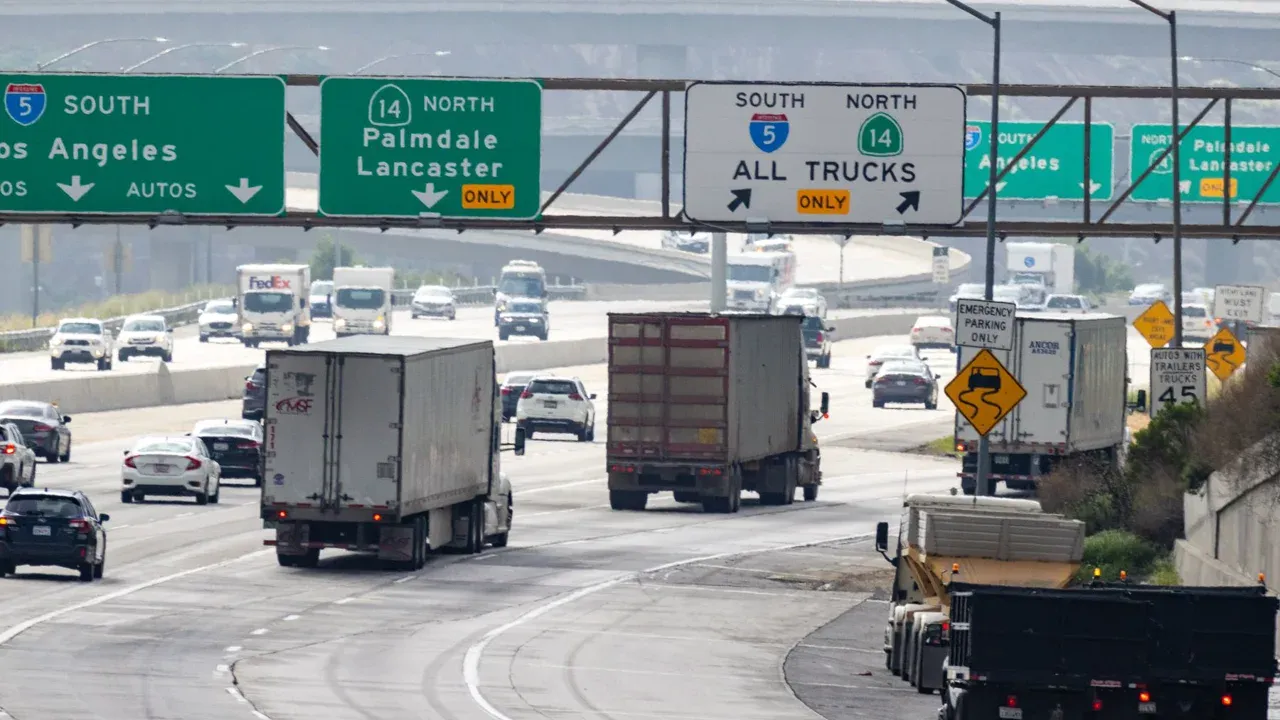
California highway traffic near Los Angeles after a roadway collision
For a focused discussion of one important evidence source, see DC Law Group's guide to dashcam footage in a California car accident claim.
4. Complete the required California collision reports
Law-enforcement reporting
California law requires a driver involved in an accident that causes injury or death to make or cause a written report to the California Highway Patrol or the appropriate city police department within 24 hours. California Vehicle Code section 20008 is the controlling source for this reporting duty. If you are physically unable to report, seek help from emergency personnel or another responsible person as soon as possible.
When officers investigate, request the report number and learn how to obtain a copy when it becomes available. A report is one piece of evidence, not the final decision on civil liability. It may contain useful observations, diagrams, witness information, and statements that should be reviewed for accuracy.
The DMV SR-1 report
You may also need to file a Report of Traffic Accident Occurring in California, known as an SR-1, with the DMV. The DMV requires an SR-1 within 10 days when anyone is injured or killed, or when property damage exceeds $1,000. This report is separate from a report to law enforcement or an insurance company, and each driver may have a reporting duty regardless of who caused the collision.
Use the California DMV SR-1 information page to review the current filing instructions and required information. If you are unsure whether the reporting rule applies, ask the DMV, your insurer, or a qualified California attorney promptly. Do not assume that a police report automatically completes the DMV requirement.
5. Notify your insurer and protect your account of events
Report the collision to your insurer as required by your policy. Provide accurate facts about when and where it occurred, the vehicles involved, and the known injuries. Ask how to submit photos, medical information, and repair documentation. Keep copies of what you send and note the date, time, and identity of each person you speak with.
An insurance adjuster may ask for a recorded statement, a medical authorization, or permission to inspect records. Read requests carefully. Do not guess when you do not know an answer. You can say that you need to review information before responding. Do not post detailed accounts, photographs, or speculation about the collision on social media.
Your own policy may include medical-payments coverage, uninsured or underinsured motorist coverage, collision coverage, or other provisions. The available coverage depends on the policy language and the facts. A liability insurer's early offer may not reflect the full medical picture, future care needs, wage effects, or other losses. Before accepting a release, make sure you understand what rights it would end.
Call DC Law Group at (310) 571-8860 to discuss a California car accident claim, or contact the firm online for a consultation about your situation.
6. Understand how fault and claim losses are evaluated
Liability depends on evidence
A claim may require evidence that another person or entity had a legal duty, failed to use reasonable care, and caused an injury or loss. Evidence can include photographs, witness accounts, vehicle damage patterns, traffic laws, roadway design, phone records when lawfully obtained, expert analysis, and medical records. The specific evidence depends on the collision.
Do not assume that the driver who received a citation automatically determines every issue in a civil claim. A citation, police report, witness account, and physical evidence may each answer different questions. A complete review considers the whole record.
Shared responsibility can affect recovery
California recognizes comparative fault principles. If more than one person contributed to an injury, the evidence may be used to assign percentages of responsibility. California Civil Code section 1431.2 addresses several liability for non-economic damages in actions based on comparative fault. Read the statutory text for section 1431.2.
That does not mean an injured person loses every right because an insurer alleges some responsibility. It means the facts must be developed carefully. Avoid public statements that could be taken out of context, and preserve evidence that explains traffic conditions, visibility, vehicle movement, and your actions.
Document the full effect of the injury
Keep a simple daily record of symptoms, treatment, sleep, mobility, household activities, work restrictions, and questions for your providers. Save wage statements and employer communications if the injury affects work. Keep repair documents and transportation records for vehicle-related losses. Do not exaggerate. Accurate, consistent records are more useful than broad descriptions.
7. Decide when to speak with a California car accident lawyer
You may benefit from prompt legal guidance when the collision involved serious or worsening injuries, disputed fault, multiple vehicles, a commercial driver, a rideshare vehicle, an uninsured driver, a government roadway, a death, or an insurer asking you to sign a release. Legal issues can also arise when medical care is continuing, evidence may be lost, or the other side has already hired counsel.
A consultation can help identify deadlines, coverage questions, evidence-preservation steps, and communications that should be handled carefully. It does not require you to predict the result of a claim. Bring the collision report information, photographs, insurance correspondence, medical records, and a timeline of what happened.
For related guidance, compare the evidence and timing issues in when to hire a car accident lawyer and review DC Law Group's explanation of how negligence may be established after an accident.
8. Track the California deadlines that may apply
Do not wait until a deadline is close to ask what applies. California Code of Civil Procedure section 335.1 generally provides a two-year period for an action for injury to, or the death of, an individual caused by the wrongful act or neglect of another. Other rules may apply to claims involving public entities, minors, delayed discovery, uninsured-motorist benefits, or different legal theories.
Review California Code of Civil Procedure section 335.1, then obtain advice based on the facts of your case. A statute of limitations is different from an insurance notice requirement and different again from the DMV SR-1 reporting deadline.
California car accident claim roadmap
| Time period | Action to consider | Why it matters |
|---|---|---|
| At the scene | Get emergency help, exchange information, and preserve photographs and witness details. | Early evidence and medical attention may be difficult to recreate later. |
| Within 24 hours when an injury or death is involved | Make or cause the required written report to the appropriate law-enforcement agency. | California Vehicle Code section 20008 sets this reporting duty. |
| Within the first days | Notify your insurer, obtain medical guidance, organize records, and identify video sources. | Prompt notice and preservation can protect the claim record. |
| Within 10 days when the DMV rule applies | Review and submit the SR-1 report. | The DMV filing is separate from a police or insurance report. |
| Before any applicable civil deadline | Evaluate liability, coverage, injuries, losses, and potential claims with qualified counsel. | Waiting can limit available legal options. |
Call DC Law Group at (310) 571-8860 before you accept a release or make a major claim decision, or request a consultation online.
Frequently asked questions about California car accident claims
Should I call a lawyer after every car accident?
Not every collision requires a lawsuit or legal representation. However, prompt advice may be useful when an injury is serious, fault is disputed, more than one vehicle is involved, coverage is unclear, or an insurer asks for a release or recorded statement. A consultation can help you understand the issues before you make an irreversible decision.
How soon after a California car accident should I contact a lawyer?
Contact a lawyer as soon as practical when you have an injury, a disputed account of events, serious vehicle damage, or concern that evidence may disappear. Early guidance can help identify video, witness, vehicle, medical, and insurance records that need to be preserved.
What evidence is most important after a car accident?
Useful evidence may include scene photographs, vehicle damage images, witness contact information, collision reports, medical records, insurance communications, repair records, work records, and available video. The most important evidence depends on how fault and injury are disputed in the particular claim.
Do I have to give the other driver's insurer a recorded statement?
You should provide truthful information required by your own policy and cooperate with the claim process. A request from the other driver's insurer is a separate issue. Read the request carefully, avoid guessing, and consider legal advice before giving a recorded statement about fault, injuries, or the full history of the collision.
What is the California SR-1 form?
The SR-1 is the California DMV Report of Traffic Accident Occurring in California. The DMV states that it must be submitted within 10 days when anyone is injured or killed, or when property damage exceeds $1,000. It is separate from a law-enforcement report and an insurance report.
Key takeaways
After a California car accident, prioritize safety, medical care, accurate reporting, evidence preservation, and careful insurance communication. Keep a written timeline, protect records, and do not assume that a police report or insurer's position resolves civil liability. If you have an injury or a complicated collision, speaking with a California car accident lawyer early can help you evaluate deadlines and next steps.
Call DC Law Group at (310) 571-8860 or request a consultation online to discuss what happened and learn which next steps may fit your situation.