

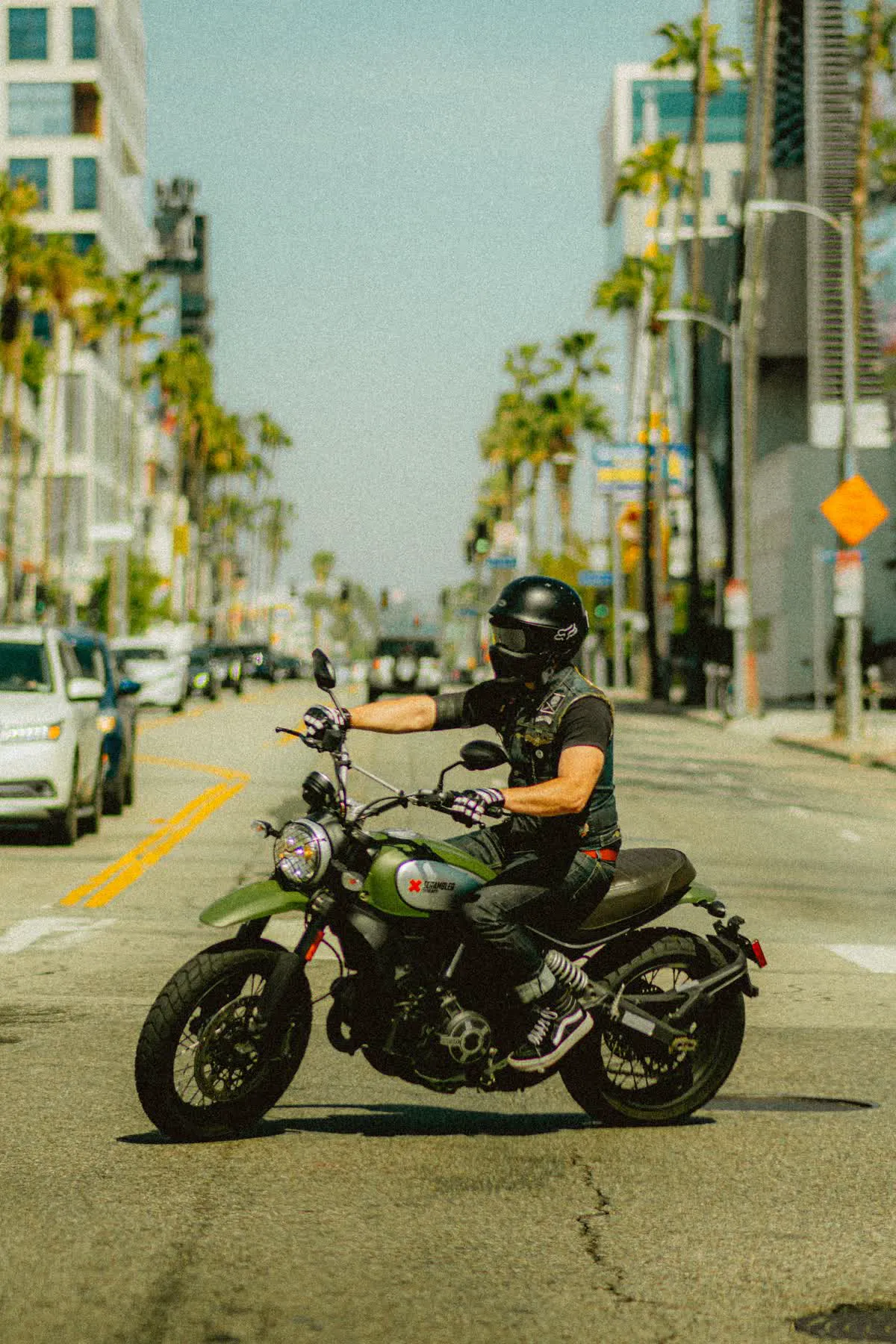
A motorcycle collision on Wilshire Boulevard, Santa Monica Boulevard, Sunset Boulevard, or another Westside route can leave a rider facing serious injuries and disputed facts. A Beverly Hills motorcycle accident lawyer can help organize the evidence, communicate with insurers, and pursue a claim based on the actual harm. Call (310) 571-8860 to speak with DC Law Group about your motorcycle injury claim.
This guide explains what to do after a Beverly Hills-area motorcycle crash, including how to document lane position and visibility, preserve medical records, respond to insurance questions, and protect California filing deadlines. It is general information, not a legal opinion about any particular collision.
What Should a Westside Rider Do in the First 24 Hours?
Safety and medical care come first. Move out of traffic only when it is safe, call 911 for emergency help, and follow directions from responders. If you are hurt, do not delay treatment to photograph the roadway or debate the crash with another driver. Ask a trusted person to preserve evidence for you if you cannot do it safely.
- Get medical attention. Tell the provider about every symptom, even if it seems minor at first. Keep visit summaries, imaging reports, prescriptions, referrals, and work restrictions.
- Report the collision. Cooperate with emergency personnel and obtain the incident or report number when available. Do not guess about speed, distance, or another person’s intent.
- Exchange information. Record names, contact details, license information, plate numbers, vehicle details, and insurer information. Identify witnesses without asking them to adopt a particular version of events.
- Preserve the motorcycle and gear. Do not repair, discard, or alter the motorcycle, helmet, jacket, gloves, or other equipment before documenting their condition, unless safety requires it.
- Notify your insurer promptly. Review the policy and ask how to open a claim. Keep communications factual and avoid a recorded statement about disputed issues until you understand what is being requested.
The California Department of Insurance gives similar first-response guidance. It recommends calling 911 when someone is injured, gathering witness information, photographing the scene when safe, and notifying the insurer.
The guide also explains DMV reporting when the applicable reporting threshold is met. See the Department of Insurance official accident guide.
How Should You Document a Beverly Hills Motorcycle Collision?
Westside crashes often involve busy intersections, parked vehicles, driveways, lane changes, construction, and changing sight lines. A few wide scene photographs can be more useful than a single close-up. From a safe location, capture the roadway in both directions, lane markings, signals, signs, curb lines, traffic controls, nearby entrances, and any obstruction that could affect what a driver or rider could see.
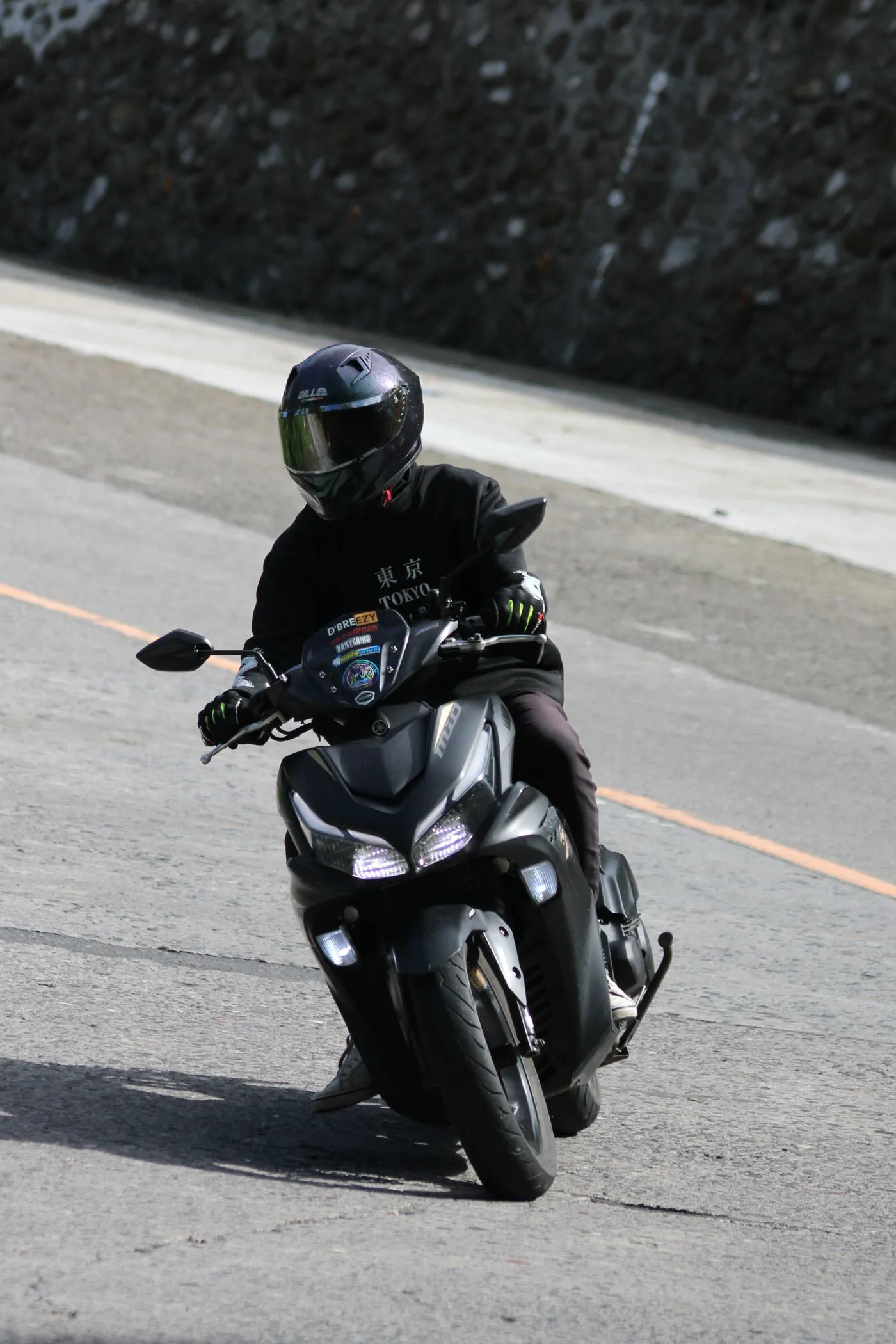
Motorcyclist wearing full protective gear rides a dark motorcycle on a road
Photograph the motorcycle and every involved vehicle from several angles. Include damage, broken parts, debris, skid or scrape marks when visible, and the relationship between the damaged areas and the lane. Photograph your helmet and protective gear before cleaning or replacing them. If injuries are visible, dated photographs may help show changes, but they never replace a medical evaluation.
Write a factual timeline while the memory is fresh. Note the approximate time, direction of travel, traffic conditions, weather, lighting, sounds, vehicle positions, and what happened immediately before and after impact. Separate what you observed from what you assume. A short statement such as “the SUV moved across the lane line” is more reliable than a conclusion about what the driver intended.
What Does a Beverly Hills Motorcycle Accident Lawyer Look For in a Westside Claim?
In a rider claim, an insurer may ask where the motorcycle was positioned, whether the rider was visible, whether a turn signal was used, or whether another vehicle entered the rider’s path. Those questions should be answered with evidence, not stereotypes about motorcycles. California Vehicle Code section 21658.1 defines lane splitting and authorizes the California Highway Patrol to develop educational guidelines. The statute text does not decide fault in every individual crash.
The California DMV’s Motorcycle Driver Handbook discusses lane position, visibility, blind spots, following distance, and escape routes. That material can provide context for an investigation, but the facts of the collision still control. Useful evidence may include traffic-camera footage, nearby business video, helmet-camera files, event data preserved by an involved vehicle, photographs, witness accounts, vehicle damage, roadway measurements, and the investigating officer’s report.
Evidence that can clarify a disputed Westside motorcycle crash
| Evidence source | Question it may help answer | Preservation step |
|---|---|---|
| Scene photographs and roadway layout | Where were the lanes, signals, sight lines, debris, and vehicles? | Keep original files with their date and location data when available. |
| Witnesses and passengers | What did an independent person see, hear, or observe immediately afterward? | Record contact information and a neutral summary without coaching. |
| Video or camera footage | What was each vehicle doing before the impact? | Ask the property owner or agency to preserve footage promptly because systems may overwrite it. |
| Vehicle and gear damage | What contact points and impact forces are consistent with the reported sequence? | Photograph everything and keep damaged items in their existing condition. |
| Medical and treatment records | What injuries were diagnosed, and how did they affect daily activities? | Keep records, bills, referrals, restrictions, and a symptom log. |
For a broader documentation checklist, see DC Law Group’s California motorcycle accident evidence guide. That article covers scene details, witness information, protective gear, medical evaluation, and a personal recovery log.
How Do Visibility, Lane Splitting, and Comparative Fault Interact?
California uses comparative fault principles. A rider’s conduct may be examined alongside the conduct of a turning driver, lane-changing driver, roadway owner, manufacturer, or another responsible party. A dispute over lane position does not automatically answer who caused the collision. The investigation should examine each person’s actions, the roadway, available warnings, sight lines, timing, and the evidence supporting each account.
Lane splitting is a distinct California traffic concept, but legality alone does not resolve every civil claim. The California Vehicle Code requires a vehicle to be driven as nearly as practical within a single lane and moved only when it can be done with reasonable safety, subject to applicable rules. The relevant facts can include traffic speed, space between vehicles, lighting, the rider’s position, the other driver’s movement, and whether a safe response was possible.
Do not assume that an insurer’s early fault percentage is final. Preserve the physical and digital evidence before it disappears, identify all potentially involved parties, and ask questions about how the conclusion was reached. DC Law Group’s California lane-splitting law guide provides additional background on the statutory definition and safety context.
Which Medical Records Matter After a Severe Rider Injury?
Motorcycle collisions can produce orthopedic injuries, traumatic brain injuries, spinal injuries, nerve damage, road rash, internal injuries, and lasting limits on movement. The value of a medical record is not only the diagnosis. Records can also show when symptoms began, what treatment was recommended, whether surgery or rehabilitation was needed, how the injury affects work and daily tasks, and what future care may be expected.
Describe symptoms with concrete details. Explain pain, numbness, dizziness, sleep disruption, concentration problems, reduced range of motion, and limits on walking, lifting, driving, or personal care. Attend follow-up visits and ask providers to explain instructions that are unclear. Keep a dated log of symptoms and appointments, but do not minimize or exaggerate what you experience.
Collect records from emergency care, primary care, specialists, physical therapy, imaging centers, pharmacies, and any later providers. Keep copies of work restrictions and notes describing missed shifts or changed duties. A claim may also require evidence of the effect on household tasks, recreation, and relationships. The goal is an accurate picture of recovery, not a label attached to the injury.
DC Law Group’s motorcycle injury legal-rights guide discusses serious injury documentation and the way treatment evidence can support a California claim. Its location differs, but the record-preservation concepts can apply to a Beverly Hills collision.
How Should a Rider Handle Insurance After a Beverly Hills Crash?
Notify the appropriate insurer and provide basic facts about when and where the collision occurred. Ask what documents are needed and keep a copy of every letter, email, estimate, medical record, and claim number. An adjuster may request a recorded statement, medical authorization, or a broad release. Read each request carefully and ask a lawyer to review disputed or unusually broad requests before signing.
Check the motorcycle policy for liability, medical payments, uninsured-motorist, and underinsured-motorist coverage. The other driver’s policy may not be enough to address severe injuries, and a hit-and-run driver may never be identified. Whether your own coverage applies depends on the policy language, facts, and applicable law. DC Law Group’s California uninsured-motorist claim guide explains issues riders can raise when the responsible driver has no coverage or insufficient coverage.
Do not use an insurer’s request for information as a reason to stop treatment or delay urgent care. Keep communications accurate and calm. If the claim is denied, delayed, or evaluated using disputed facts, organize the evidence and seek advice before accepting a release or signing away rights.
What California Deadlines Apply to a Motorcycle Injury Claim?
California Code of Civil Procedure section 335.1 generally provides a two-year period for an action based on injury to, or the death of, an individual caused by another person’s wrongful act or neglect. Read the official statute. The correct deadline can change with the parties, the type of claim, a government entity, a minor, a wrongful-death claim, insurance contract language, or other facts.
A filing deadline is not the only reason to act early. Video can be overwritten, witnesses can become difficult to locate, and damaged items can be repaired or discarded. Early legal review can help identify preservation requests, responsible parties, coverage questions, and the records needed to evaluate the claim. Do not wait for the last day to learn which deadline applies.
For a process overview, read DC Law Group’s California motorcycle accident claim timeline. It covers investigation, treatment records, insurance communications, negotiation, and the possibility of litigation without promising a particular result.
Call (310) 571-8860 to discuss your Westside motorcycle accident claim with DC Law Group.
Frequently Asked Questions
Should I speak with the other driver’s insurer after a Beverly Hills motorcycle crash?
You should report the collision as required and provide basic identifying facts. Before giving a recorded statement about disputed fault, signing a release, or authorizing a broad medical request, consider getting legal advice. Keep every communication and do not guess when you do not know an answer.
Does lane splitting automatically make a rider responsible?
No. California Vehicle Code section 21658.1 defines lane splitting, but responsibility for a civil claim depends on the complete evidence. Investigators may examine traffic speed, visibility, spacing, timing, lane changes, signals, roadway conditions, and the conduct of every involved person.
What if my motorcycle was damaged but I felt fine at the scene?
Some symptoms can appear or become clearer after the initial shock. Seek medical advice promptly if symptoms develop, follow the provider’s instructions, and document what changes. Medical records and a dated symptom log can help explain the timing without requiring you to diagnose yourself.
Can a rider pursue a claim if the driver left the scene?
Possibly. Report the hit-and-run, preserve photographs and witness information, and ask nearby businesses or agencies about video preservation. Review your policy for uninsured-motorist coverage and report the incident according to the policy requirements. Coverage and claim deadlines depend on the facts and policy language.
How long do I have to file a California motorcycle injury lawsuit?
California Code of Civil Procedure section 335.1 generally lists two years for an action based on injury or death caused by wrongful conduct, but exceptions and different rules can apply. A lawyer should review the facts early so that a general deadline is not mistaken for the deadline in your case.
DC Law Group represents people with motorcycle injury claims and can review the facts, available evidence, medical records, and insurance issues. The firm’s motorcycle accident practice page explains that work, and the contact page lists the Beverly Hills office at 9100 Wilshire Blvd, Suite 240E. A consultation does not replace individualized legal advice from an attorney who has evaluated your situation. Prior results do not guarantee a similar outcome. Every case is different and must be evaluated on its individual facts and circumstances.
Call (310) 571-8860 to speak with DC Law Group about your Beverly Hills motorcycle accident claim.