

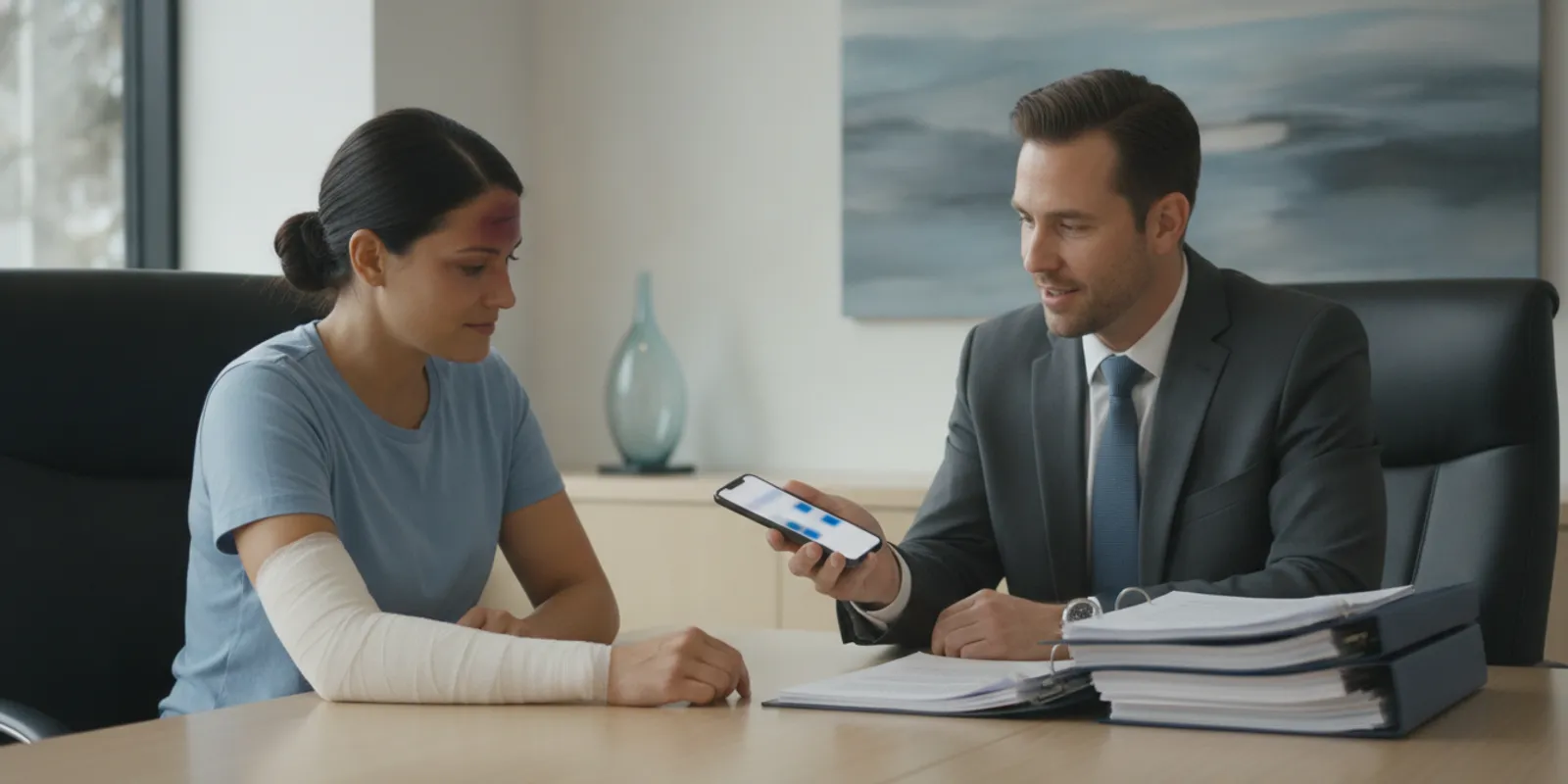
A rideshare accident consultation california should help you explain what happened, identify information that may matter, and understand practical next steps. You do not need a complete file or a perfect timeline before speaking with an attorney. Start with the facts you know and records you can access.
Contact DC Law Group to discuss your rideshare accident
A consultation is a chance to describe the collision and your injuries, ask how the review works, and learn whether the firm may be able to assist. It is not a promise about who is legally responsible or what a claim may resolve for. Each collision turns on its own evidence, policy terms, and circumstances.
What should you have ready before a rideshare consultation?
Bring what you already have, even if some details are missing. A short, clear account is more useful than delaying while you try to assemble every record. You can tell the attorney which information you still need to locate. If gathering papers is difficult, make a short list on your phone or bring a few screenshots. The first meeting can help you decide what to request next.
- Basic crash details: the date, approximate time, location, direction of travel, and a brief description of how the collision occurred.
- Your role in the ride: whether you were a passenger, rideshare driver, or occupant of another vehicle, and whether the app showed an active trip.
- People and vehicles: names and contact details for drivers and witnesses, vehicle descriptions, license plate information if known, and the responding agency.
- Injury and treatment information: symptoms you noticed, when they began, where you sought care, and appointment or discharge records you can readily access.
- Insurance and claim contacts: letters, emails, claim numbers, and names of insurers or representatives who have contacted you.
- Images and digital records: photographs of the scene, vehicles, visible injuries, and screenshots or receipts related to the ride.
Do not worry if you do not have all of these items. An attorney can review the information available and explain what else may be helpful to request. Keep originals when possible, and make a note of where you obtained a copy. If documents are scattered across email, text messages, and an app, note where each item is stored rather than trying to reorganize everything before you call.
Make a simple timeline
A one-page timeline can make the conversation easier. Write down when you requested or accepted the ride, when you entered the vehicle, the approximate time and place of impact, and what happened immediately afterward. Add when you first noticed symptoms and when you sought care. Label uncertain times as estimates. A timeline should distinguish what you remember directly from what a receipt, message, or another person later helped you confirm.
For example, you might record: “About 5:20 p.m., entered the vehicle near the station; app showed the trip underway; collision occurred near the next intersection; called a family member afterward; shoulder discomfort noticed later that evening.” This kind of concise note is more useful than filling gaps with guesses. Keep the original note and add later corrections with dates so the sequence remains clear.
How should you explain the ride and the crash?
The app record can help establish where the trip stood at a particular time, but your own account gives context. Describe the sequence in your own words. Begin with what you were doing before impact, then explain the collision, what happened immediately afterward, and how you sought care.
For a passenger, mention when you requested the ride, when you entered the vehicle, the planned destination, and whether the trip ended as expected. For a driver, describe whether you were waiting for a request, traveling to a pickup, or carrying a passenger. If you were in another vehicle, explain what you observed about the rideshare vehicle and any app-related details you know.
Be precise about what you personally saw and what you learned from someone else. If you are unsure of a time or detail, say so rather than guessing. A consultation is not a test. A candid account helps the attorney identify follow-up questions and distinguish confirmed facts from details that need checking. You can also describe what you could not see, such as the other driver’s view or what appeared on the rideshare driver’s screen.
Try not to turn the conversation into a conclusion about fault. Instead, explain observable details: which direction each vehicle was moving, whether a traffic signal or sign was visible, where the vehicles stopped, and what damage you noticed. If a detail is uncertain, mark it as uncertain. The attorney can ask focused questions and determine which facts require corroboration.
Which records may help clarify insurance and responsibility?
Rideshare claims can involve more than one insurance policy. Relevant coverage may depend on the driver’s activity in the app, the trip stage, the people involved, and the policy terms. A passenger’s account and app history may help establish whether the driver was waiting for a request, heading to a pickup, or transporting a passenger. Those facts do not decide responsibility by themselves.
Save trip receipts, ride confirmations, cancellation notices, messages, and relevant screenshots. If your app account shows trip history, preserve the available details rather than relying on memory. Do not edit or annotate the only copy of a record. If information is no longer visible, write down what you remember and when you last saw it. Keep screenshots with the date and surrounding context when possible; a cropped image may omit a trip identifier or message sequence that later proves useful.
Vehicle insurance and rideshare-related coverage can overlap in complex ways. The Iowa Department of Transportation advises people using paid rideshare services to review the policy covering the vehicle and consult an insurance agent. Its guidance is specific to its jurisdiction, but it illustrates why the actual policy and ride status should be reviewed rather than assumed. Read the Iowa DOT paid rideshare guidance for that general point. For California consumers, the Department of Insurance also offers guidance on steps after an auto accident, including dealing with insurance and documenting an incident.
| Information to review | What it may help establish | What it does not establish by itself |
|---|---|---|
| App trip record or receipt | Trip timing, pickup or destination details, and visible ride status | Who caused the collision or which policy must respond |
| Scene photos and witness details | Vehicle positions, road conditions, visible damage, and possible accounts of the event | A complete reconstruction or final finding of fault |
| Medical records and symptom notes | When symptoms were reported and what care was provided | A guarantee about the source, duration, or legal significance of an injury |
| Insurance letters and claim numbers | Which parties or carriers have opened communications | That a coverage decision is final or that all relevant policies are identified |
The table is a preparation aid, not a substitute for reviewing the actual documents. Policy terms, applicable law, and collision facts all matter. For related background on app records, see DC Law Group’s guide to preserving Uber accident app records.
Keep evidence in its original form
Save files in a folder with a simple name and keep a backup in a secure location. Avoid overwriting original photos with filters, annotations, or edits. If you need to mark a copy for your own reference, retain the untouched version too. Write down who gave you a document and when you received it. This small habit can help distinguish a contemporaneous record from a later summary.
Do not try to access another person’s account or device to obtain trip data. If a record belongs to the driver, platform, insurer, or another party, ask the attorney how it may be requested through appropriate channels. If a vehicle has been repaired or moved, do not assume that you can inspect it yourself; simply tell the attorney what you know and whether photographs or repair records may exist.
What injury information should you share?
Tell the attorney what changed after the collision, including symptoms that appeared later or changed over time. Explain when you first noticed each issue, what care you sought, and whether a medical professional gave you instructions or scheduled follow-up. If you have not yet received care, say that plainly. An attorney cannot diagnose an injury, and a consultation does not replace medical evaluation.
Bring records that are easy to access, such as visit summaries, referrals, prescriptions, or work absence notes. You generally do not need to collect your entire medical history before the first meeting. If earlier conditions or prior injuries may be relevant, give an accurate account and let the attorney ask for details needed to assess the claim. Do not omit an earlier condition because you are unsure whether it matters; the attorney can explain what information is pertinent.
Keep a simple, dated record of symptoms and care. Note missed work or ordinary activities you could not do, but avoid overstating or guessing. Record facts as they happen. If a symptom changes, make a new entry rather than rewriting the earlier note. These records may help you recall a timeline when you speak with a medical provider or attorney.
Be concrete when describing daily effects. Instead of writing only “felt bad,” you might note that you had difficulty lifting a bag, needed help with a household task, or could not complete a usual work shift. Include how long the difficulty lasted if you know. These notes are not a diagnosis and should not replace medical records; they are a way to preserve your own observations accurately.

Rideshare passenger organizing trip and injury records for an attorney consultation
What questions should you ask during the meeting?
Use the consultation to understand the process and make an informed decision about representation. You may want to ask:
- What facts do you need to review before assessing possible responsibility?
- Which records should I preserve, and what is the appropriate way to request missing app or insurance information?
- Who may be involved in reviewing the claim, including drivers, insurers, or other parties?
- How will the firm communicate with me, and whom should I contact with questions?
- What should I do if an insurer contacts me or asks for a recorded statement?
- What documents would you need before deciding whether the firm can represent me?
- How does the firm explain its representation agreement and any obligations during a case?
- Are there time-sensitive steps or deadlines that should be checked based on my situation?
You can bring the questions on paper or keep them in your phone. If the discussion moves quickly, ask the attorney to repeat or explain a point in everyday language. It is reasonable to ask what is known, what remains uncertain, and what additional information could change the assessment. Ask who will be your contact and how you should send new records if you retain the firm.
It is reasonable to ask for a plain-language explanation of any document before signing it. Take time to review an agreement and raise anything you do not understand. A conversation with one firm does not require you to make an immediate decision.
Want to discuss the records you have and what remains unclear? Contact DC Law Group to arrange a consultation.
How can you prepare for insurance communications?
Keep communications organized. Save letters, emails, text messages, and the date and time of phone calls. Note the name of the person who contacted you, the organization they represent, and what they requested. If you do not know whether a caller represents an insurer or another party, ask for identifying information and a way to verify it independently.
Do not guess when answering questions about the collision or your health. If you do not know an answer, say so. Do not sign a release or provide broad records without understanding what it covers. An attorney can explain what a request means in the context of your matter. You can also ask the attorney how to handle a request for a recorded statement before agreeing to one.
After a call, write a brief note while the exchange is fresh: the caller’s name, the organization, the number used, the topic, any requested documents, and any date mentioned. Keep the note factual. If you receive a written request, save the envelope or email and attachments together. This organization can make it easier to compare what was requested with what you later provide.
Do not post detailed descriptions, images, or speculation about the collision publicly while you are trying to preserve an accurate account. Keep relevant records in a secure place. If an app or device holds information that may disappear, make a note of it and ask how to preserve or request it through appropriate channels. Avoid deleting messages or changing account settings until you have asked whether those records could be useful.
How does the consultation differ for a passenger, driver, or another motorist?
The basic preparation is similar, but the questions can differ by role. A passenger may focus on trip status, pickup and destination, and communications with the rideshare driver or platform. A rideshare driver may need to explain the app’s status immediately before the collision and whether a passenger was in the vehicle. A person in another vehicle may have information about how the rideshare vehicle was being operated and may need to identify each involved driver and insurer.
These differences can affect which records are useful and which parties may need to be contacted. They do not mean that one role automatically has a stronger claim. The facts, evidence, injury information, and applicable coverage must be evaluated in context. DC Law Group’s pages on Uber and Lyft accident representation and its California rideshare injury claim guide offer additional topic-specific information.
Passenger preparation
If you were a passenger, keep the trip confirmation and any messages about pickup, route, or trip completion. Note where you sat, what you could see, and whether anyone spoke about the collision afterward. If the app lists a driver or vehicle, retain that screen. Do not assume that you need to identify the applicable policy before the consultation; preserving the trip details is a useful starting point.
Driver preparation
If you were driving for a rideshare platform, note the app status as you remember it and preserve any trip or work-related records available in your own account. Bring the policy information for the vehicle if you have it, and describe whether a ride request had been accepted or a passenger was on board. Do not infer that a particular phase automatically determines coverage; the records and policy language require review.
Another motorist’s preparation
If you were in a different vehicle, write down what you personally observed before and after impact. List the vehicles, people, witnesses, and responding agency if known. Photos taken from a safe place may help preserve roadway layout, damage, or vehicle positions. If another occupant has a separate account, note their contact information rather than trying to combine your memories into one version.
What should you do after the consultation?
Write down the main points you discussed while they are fresh. List any records the attorney asked you to locate and any next steps you agreed to consider. Keep a copy of communications and note follow-up dates. If you decide to speak with more than one firm, use the same factual timeline so you can compare explanations clearly.
Continue following medical guidance and keep records of care. If new information arrives, such as a witness contact, an insurance letter, or an updated trip record, save it and share it with your attorney if you retain one. Do not assume that an insurer’s initial position is the final word on responsibility or available coverage.
Before sending documents, confirm the preferred method and the recipient. Use a clear file name and identify what each attachment contains. If you later remember a missing detail, send a dated update instead of silently altering an earlier account. These practical habits keep the file easier to follow and reduce the chance that an important message or record is overlooked.
A consultation can help identify what is known, what remains uncertain, and what documents may help answer open questions. It cannot guarantee a particular result. The goal is a clearer understanding of the claim review and steps that may make sense for your circumstances.
DC Law Group represents injured people in rideshare and other vehicle collision matters. Learn more about the firm’s personal injury attorney team or contact the firm to discuss your situation.
Speak with DC Law Group about a California rideshare collision
Frequently Asked Questions
Do I need every document before I speak with an attorney?
No. Share the records you already have and explain what is missing. A clear account of the ride, collision, and injury timeline can help the attorney identify which additional details may be useful.
What if I was a passenger and do not know the rideshare driver’s insurance information?
Bring the trip receipt, app messages, or any other ride details you can access. You do not need to identify every insurer before the consultation. The attorney can explain what information may be needed to identify relevant parties and coverage.
Does a rideshare app record prove who caused the collision?
No. An app record may help establish timing or trip status, but it does not by itself determine how the collision happened or who is responsible. Other evidence, including accounts, photographs, and available records, may need review.
Should I speak with an insurance representative before a consultation?
There is no single answer for every situation. Keep a record of contact, avoid guessing, and ask what a request covers before responding or signing a document. You can ask an attorney how to handle a specific request before proceeding.
Will a consultation tell me what my claim is worth?
No responsible assessment should be based on a short description alone. The facts, injury information, available evidence, coverage, and applicable law all require review. A consultation can explain what additional information is needed, but it cannot promise an outcome.
Request a consultation with DC Law Group
Gather what you can, describe what you know accurately, and ask questions until you understand the next steps being discussed.