

A spinal cord injury can change mobility, independence, work, and family life in an instant. Understanding legal rights after a spinal cord injury in California begins with identifying how the injury occurred, what evidence is available, and whether another party’s conduct contributed. A claim depends on its facts; no outcome is guaranteed.
Discuss your California injury claim with DC Law Group
What legal rights may apply after a spinal cord injury?
If another person or organization caused or contributed to an injury through a legally recognized breach of duty, the injured person may have a claim for damages. This is not automatic. The evidence must connect the conduct to the injury, and the applicable legal rules depend on how the event happened. A medical diagnosis describes health conditions and care needs; it does not by itself determine legal responsibility.
A personal injury matter may address documented medical treatment, rehabilitation, assistance with daily activities, lost income, reduced ability to work, and the injury’s effects on ordinary life. Whether a particular loss is recoverable depends on proof and the law. If an injury results in death, eligible family members may have separate questions about a wrongful-death claim. The legal analysis also differs when an injured person is a worker, a passenger, a pedestrian, or a visitor on someone else’s property.
California follows comparative-fault principles. If evidence shows that an injured person shared some responsibility, that finding may reduce a recovery rather than automatically defeat every claim. The allocation is fact-specific. An insurer’s initial account of responsibility is not a final legal decision, and an injured person should avoid agreeing to disputed facts simply to move a claim along.
For a broader overview of how the firm approaches injury matters, see DC Law Group’s California accident injury practice and its personal injury practice information. That page is general firm information; it does not decide whether a particular person has a claim.
Why do medical details and legal causation need separate review?
Spinal cord injuries differ by location, severity, symptoms, and effect on a person’s function. A diagnosis and treatment plan should come from medical professionals who know the patient’s condition. The UC San Diego Health overview of spinal cord injuries and paralysis discusses medical and rehabilitation support. The University of Washington’s spinal cord injuries and disorders resource also offers general medical information. Neither resource provides a legal assessment or substitutes for care from a treating clinician.
In a claim, the question is not only whether an injury exists. The investigation may need to establish what condition existed before the event, what changed afterward, which treatment was related, and what future care clinicians consider appropriate. Clear records can help distinguish confirmed medical findings from a person’s description of symptoms, while avoiding the mistaken idea that a record alone explains every effect on daily life.
It is reasonable for an insurer or another party to ask questions about the injury’s cause and extent. That does not mean the injured person must speculate or provide a complete medical history without understanding the request. Ask the treating team to explain clinical questions. Before giving a recorded statement or signing a broad medical authorization, consider getting legal advice about the scope and possible use of the requested information.
Who could be legally responsible?
Responsibility turns on the circumstances, not simply on who was present. In a vehicle collision, one driver’s conduct may be central, but the inquiry might also address an owner, an employer, a vehicle-maintenance issue, roadway conditions, or another person’s actions. In a commercial vehicle event, relevant records and relationships may extend beyond the driver and the injured person.
A workplace event may involve workers’ compensation procedures and, depending on the facts, a separate claim involving someone other than the employer. Product-related injuries can raise questions about the product’s condition, design, warnings, or handling. An injury on property may require examining who controlled the area, what was known about a hazard, and what reasonable measures were taken. These examples identify questions to investigate; they do not establish that any party is liable.
More than one insurance policy or legal pathway may be involved. A person should not assume that a claim with one insurer resolves every right against every other party. If a work incident also involved a contractor, vehicle operator, equipment supplier, or property owner, keep the available records and ask counsel whether each relationship needs separate review.
The event-specific evidence can differ considerably. This table is a practical starting point for organizing questions, not a determination of liability.
| Type of event | Records or evidence to identify | Questions for investigation |
|---|---|---|
| Passenger vehicle collision | Scene photographs, witness details, vehicle damage, medical records | What sequence led to the impact? Were other drivers, owners, or conditions involved? |
| Commercial vehicle collision | Driver and company records, vehicle inspection history, dispatch or trip information | Did the driver, employer, vehicle condition, or another party contribute? |
| Workplace event | Incident report, work assignment, safety documents, witness accounts | Which benefit procedures apply, and could a separate party have responsibility? |
| Product-related event | The product and packaging, purchase or repair records, photographs | Was a product condition or warning issue relevant, and who handled it? |
| Property-related event | Photographs, incident records, inspection or maintenance documents | Who controlled the area, what was known, and what response was taken? |
What evidence should you preserve?
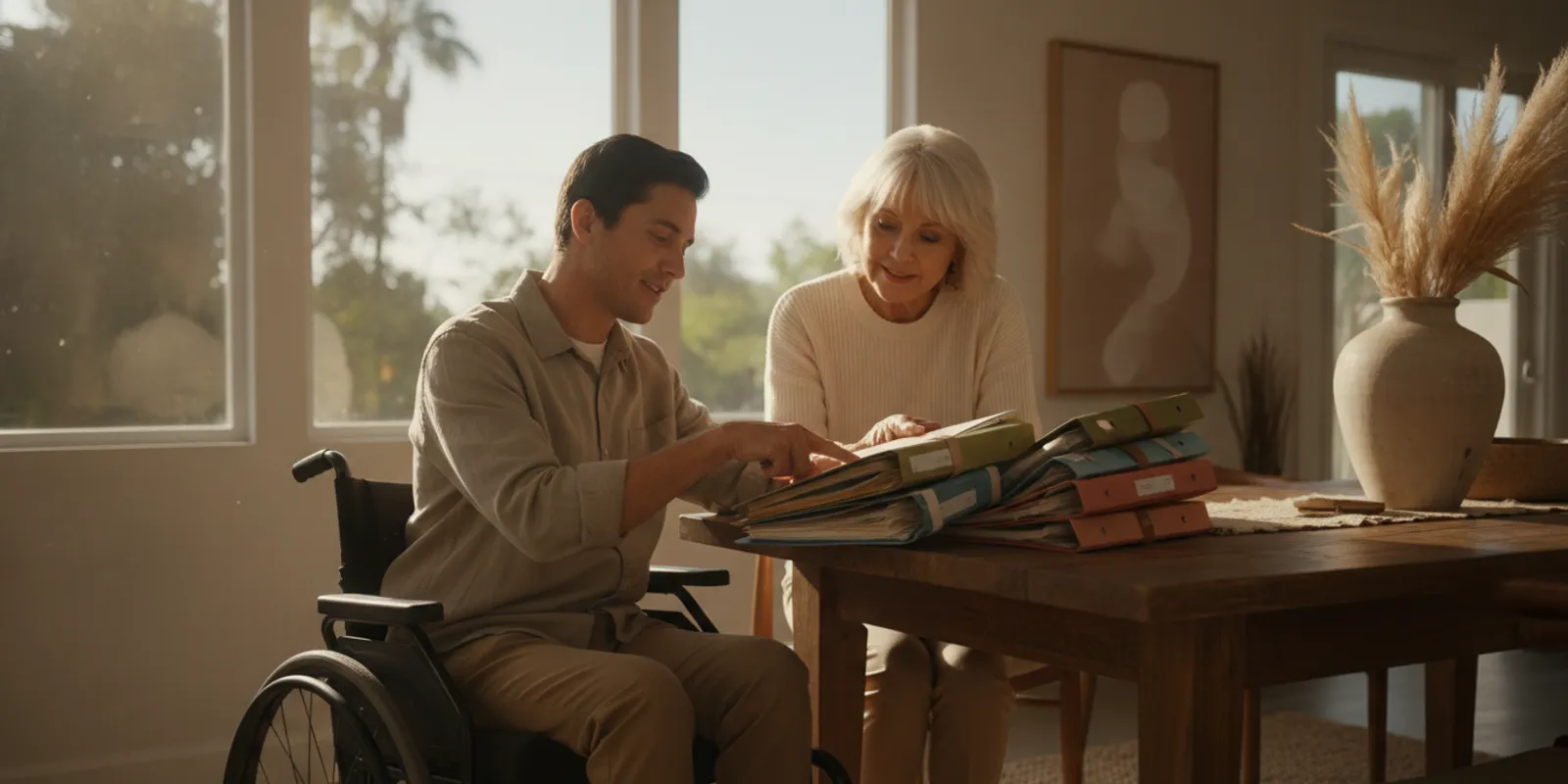
After urgent health and safety needs are addressed, a careful record can help keep the event and its effects clear. A trusted family member may be able to assist with organization when treatment, fatigue, or limited mobility makes paperwork difficult. Keep original files where possible and make working copies for sharing.
- Write a factual timeline. Note the date, approximate time, location, sequence of events, and people involved. Separate what you personally saw or heard from what another person later told you. Add a note when a detail is uncertain rather than filling the gap with a guess.
- Preserve scene information. Save original photographs and video, witness names and contact details, incident numbers, and any available vehicle or property information. Do not edit the originals. If another person or organization may hold video, electronic records, or maintenance documents, note what may exist and where; do not try to access a private system yourself.
- Organize care records. Keep discharge instructions, imaging and diagnostic reports, therapy notes, referrals, prescriptions, and follow-up recommendations. Make a list of questions for clinicians and describe symptoms accurately. Do not change treatment or delay needed care to build a legal file.
- Track practical changes. Record which daily tasks have changed, what assistance is needed, how mobility and sleep are affected, and whether work duties have changed. Specific examples are more useful than broad labels. For example, note what task was difficult, what help was needed, and when it happened.
- Keep work and household documentation. Save schedules, wage statements, leave records, and communications about modified duties. If another household member provides care, note the type of help and time involved without exaggerating or treating an estimate as a confirmed medical need.
- Save communications. Keep letters, email, claim numbers, forms, and insurer contact information. After a call, record the date, the people involved, the request made, and any response or next step. Keep copies of documents before sending them.

Family member organizing medical records and incident documents
Some evidence is controlled by a business or another party and may not remain available indefinitely. A vehicle’s electronic information, business video, dispatch records, inspection documents, or workplace logs may call for a timely preservation request. Write down the potential source and why it may matter. A lawyer can advise on an appropriate request; do not contact witnesses in a way that pressures them or attempt to obtain restricted records without permission.
How can a claim document long-term needs?
A serious spinal cord injury may require more than a short record of emergency treatment. The claim evaluation may need to consider ongoing rehabilitation, equipment, personal assistance, changes to a home or vehicle, and the effect of limitations on work and daily routines. Whether any future need is medically supported must be assessed using the individual’s circumstances and qualified evidence, not assumed from a general description of the injury.
Keep recommendations from clinicians and rehabilitation professionals, along with records showing what care was received and how the patient responded. If a clinician discusses a future service or device, ask what the recommendation means, whether it is temporary or ongoing, and what follow-up is appropriate. Do not treat an informal estimate or online article as a personalized care plan.
Work-related effects also need specific documentation. A person may be unable to perform prior duties, may return with restrictions, or may need a different schedule. Keep written restrictions, employer communications, time records, and notes about duties that changed. A claim involving reduced future earning ability may require additional analysis; a single missed shift does not by itself describe a long-term effect.
Non-economic harm can include physical pain, emotional distress, loss of independence, and limits on activities or relationships. A daily journal can help preserve concrete examples, but it should be truthful and proportionate. Family observations may provide context about changed routines, yet the injured person’s own account and medical information remain important. There is no simple formula that determines a claim’s value before responsibility, medical evidence, coverage, and the full effect of the injury are understood.
DC Law Group’s catastrophic personal injury guide provides related background for people considering a serious injury claim. People injured in a particular type of collision may also find relevant context in the firm’s California truck collision guide or its Uber and Lyft accident guide; those materials address distinct event types and do not replace an individual review.
Ask DC Law Group to review your injury questions
How should you handle insurance and other communications?
Insurance communications can begin before the injury’s longer course is clear. You can ask who is calling, which organization they represent, what claim they are discussing, and whether a request is in writing. Keep a copy of any form or proposed release. Do not sign a document just because someone describes it as routine; ask what rights it affects and whether it ends a claim.
When answering questions, be accurate and avoid guessing. If you do not know a detail, say so rather than adopting someone else’s account. Avoid broad statements about recovery or future ability when your treatment is ongoing. A settlement release may have significant legal consequences, including ending claims within its scope, so seek advice before accepting a final resolution or signing a release.
Online posts can also be misunderstood outside their context. There is no need to hide an injury or misrepresent activities, but consider limiting public commentary about the event, medical condition, or claim until you have advice. Preserve relevant posts and messages rather than deleting or altering material that may relate to the incident.
Which deadlines and separate procedures should you check?
Time limits depend on the claim, the parties, and the circumstances. A lawsuit deadline is not necessarily the only deadline. Claims involving a public entity may require an earlier administrative claim, and special rules can apply to minors, delayed discovery, or other situations. A work injury can also involve separate notice and benefit procedures. Do not rely on a general web page or an insurer’s informal estimate to calculate a deadline for your case.
Write down the event date and every date on a notice, claim form, or letter. Keep the envelope or electronic delivery information when relevant. Ask a lawyer to identify the deadlines that apply and whether a required notice must be sent before a lawsuit can be filed. Prompt review matters because gathering records or waiting for a full medical prognosis does not necessarily pause a legal deadline.
What should you organize before reviewing legal rights after a spinal cord injury?
How can you prepare for a legal consultation?
You do not need a complete case file before asking for guidance. Bring what is available, and explain what is missing. A short, organized summary can make the first discussion more focused:
- The date and location of the event, with a plain account of what happened.
- The names and contact information of involved people, witnesses, employers, and insurers, if known.
- Where treatment has taken place, what follow-up is planned, and which records are easy to obtain.
- Changes in work, mobility, daily activities, and the assistance now being provided.
- Letters, claim forms, proposed releases, or other documents received from an insurer or another party.
- Questions about deadlines, evidence to preserve, possible responsible parties, and the next practical step.
Ask how the lawyer would evaluate responsibility and causation, what further investigation may be appropriate, who will communicate with you, and how any representation agreement explains the fee arrangement and case expenses. Read the agreement fully and ask questions before signing. DC Law Group represents injury clients in California; its personal injury information and consultation page are available for people seeking an individual discussion.
Related resources can help you understand what questions to ask without assuming that every case follows the same path. For example, DC Law Group’s California personal injury lawsuit guide discusses general litigation issues, and its motorcycle accident information concerns that specific event type. For an injury involving a pedestrian, see the firm’s pedestrian injury information. These pages are not substitutes for advice based on the injury and evidence at issue.
Request a consultation with DC Law Group
Every spinal cord injury claim turns on its own evidence, medical circumstances, and applicable law. Preserve available records, follow guidance from treating professionals, and seek legal advice about the next steps and any deadlines that may apply.