
A collision on the I-15 or I-40 near Barstow can create complications that are less common in a city crash. Long stretches between services, high speeds, heat, fatigue, and limited opportunities to return to the scene may make it harder to document what happened. Contact DC Law Group at (310) 571-8860 to discuss your next steps.
A Barstow car accident lawyer can help preserve photographs, vehicle and electronic evidence, witness information, and other records before they disappear. Then evaluate liability and pursue the insurance claim based on the specific facts of the collision. Call DC Law Group today for a free consultation.
Early evidence can matter when vehicles are towed, roadway conditions change, or witnesses continue traveling through the desert corridor. Understanding the geography and risks around Barstow helps explain why prompt documentation is so important.
REQUEST A FREE CONSULTATIONWhy High-Desert Corridors Like the I-15 Near Barstow Are Higher Risk
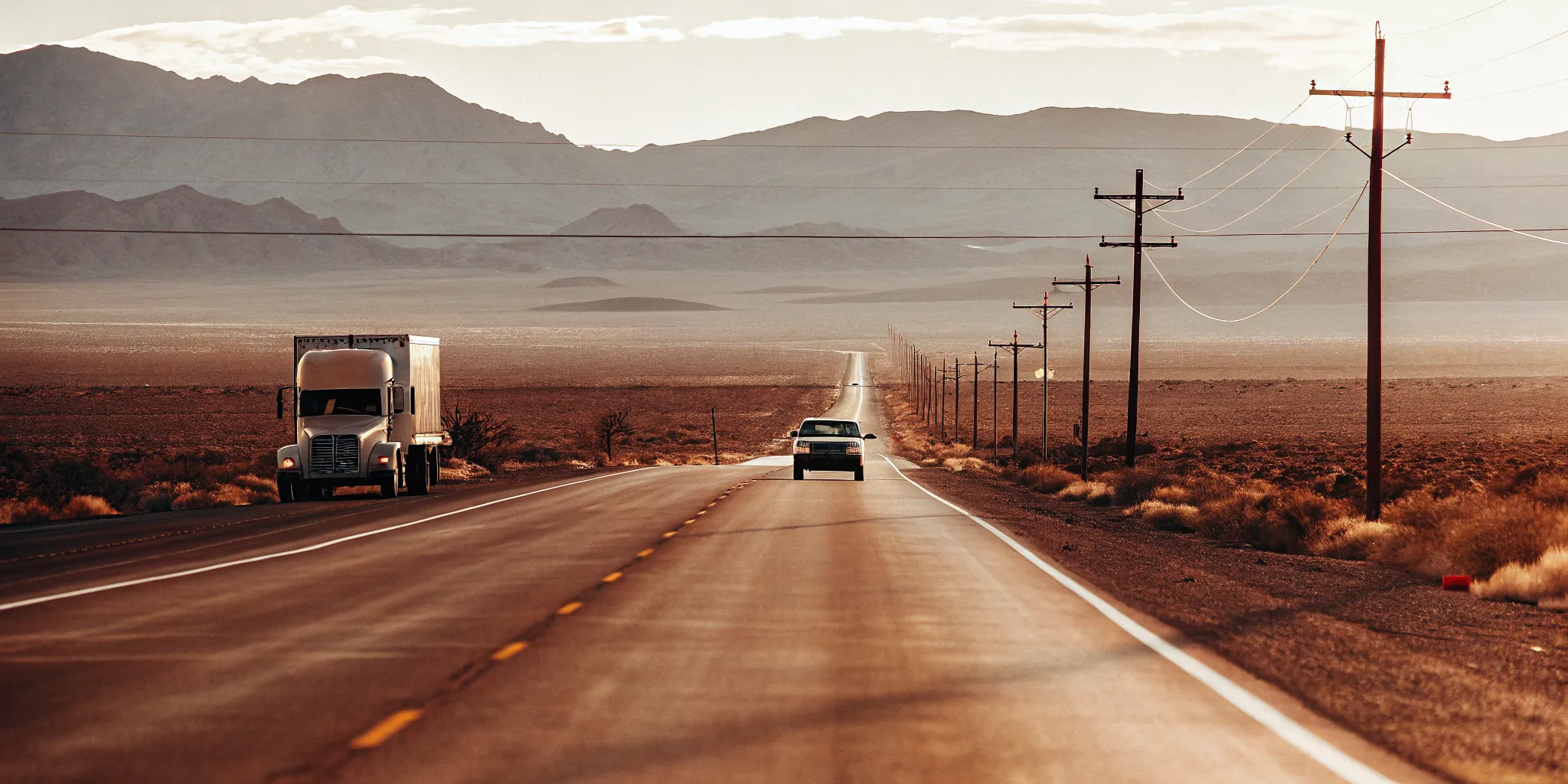
The I-15 near Barstow combines high speeds, long travel distances, and a steady mix of local, tourist, and commercial traffic. Barstow is roughly 130 miles northeast of Los Angeles and attracts travelers headed through the region, including visitors stopping at its restaurants and factory outlet shopping centers. That changing traffic mix can make driver behavior less predictable, particularly when vehicles enter or exit the freeway after hours on the road.
Distance and speed leave less room for error
The California Highway Patrol's Barstow Area covers an unusually broad territory. Its patrol responsibilities include about 130 miles of I-15 from Apple Valley to the Nevada state line, 80 miles of I-40 to Kelbaker Road, and approximately 1,400 miles of county roads. The size of this area reflects how widely incidents can be distributed across the High Desert, not how quickly help can reach every location. CHP guidance on accident investigation emphasizes the importance of preserving and documenting evidence at the scene.
Long, relatively straight freeway segments can encourage sustained high speeds. When a driver suddenly encounters stopped traffic, a lane change, debris, an animal, or a vehicle entering the roadway, there may be little time or distance to respond. Heavy freight traffic adds another concern. Large trucks require more room to slow and can obstruct visibility or create severe consequences in a multi-vehicle collision.
Fatigue is also a practical concern on a corridor that connects major destinations across the desert. Drivers may underestimate how impaired their attention becomes after several hours behind the wheel, especially in heat, darkness, or monotonous surroundings. A tired driver can drift across a lane, miss a change in traffic flow, or react too late to a developing hazard.
Recent reporting indicates that the CHP Barstow Area responded to approximately 337 speed-related crashes during a 12-month period. That figure does not establish fault in any individual collision, but it illustrates why speed is an important factor to examine after a crash. A careful investigation may need to consider vehicle damage, roadway conditions, witness accounts, electronic data, and the timing of emergency response. Those details can matter when insurance companies dispute how a collision occurred or who should be held responsible.
Common Desert Driving Hazards Barstow Drivers Face
The Mojave and High Desert corridor around Barstow can change quickly. Long, open stretches may encourage drivers to maintain highway speeds, while fatigue, weather, and limited visual reference points can make a developing hazard harder to recognize. When a collision occurs in these conditions, the forces involved and the distance from immediate assistance can make injuries more severe and the claim more difficult to investigate.
Why ordinary conditions can become serious crash factors
High-speed rollovers are a particular concern on long straight roads. A sudden steering correction, tire failure, lane departure, or impact with another vehicle can destabilize a vehicle before the driver has time to recover. Driver fatigue creates another risk on I-15 and I-40, especially for people traveling long distances or commercial drivers working extended hauls. Reduced alertness can affect reaction time, lane position, and the ability to judge closing speeds.
Wildlife can also cross an otherwise unobstructed roadway with little warning. In the open desert, a driver may have only moments to choose between braking and swerving. An abrupt maneuver can lead to a rollover or a secondary collision, even when the initial contact appears minor.
Rain introduces a different set of hazards. Sudden storms can produce flash flooding in low areas and washes, while water on the roadway can reduce tire traction. Drivers may also encounter blowing dust or sand that obscures lane markings, traffic, and stopped vehicles. Extreme heat can contribute to tire, battery, and engine problems, and it can leave stranded motorists exposed while waiting for help.
These conditions matter when determining fault and evaluating an injury claim. A careful investigation may need to examine vehicle damage, roadway conditions, weather, driver conduct, maintenance records, witness accounts, and available video. The fact that a crash happened in a difficult environment does not by itself determine who is legally responsible. It may, however, help explain how the collision occurred and which evidence must be preserved.
Desert corridors also carry substantial truck traffic. If a commercial vehicle is involved, review the post-crash steps described in what to do after a truck accident. Those steps include obtaining medical care and preserving photographs, statements, and other records before conditions or vehicles change.
Why Evidence Preservation Is Critical After a Desert Collision
A collision on the I-15, I-40, or another remote High Desert route can leave important evidence exposed to heat, wind, passing traffic, and weather. Emergency crews may need to clear the roadway, and a tow operator may move a damaged vehicle before anyone has fully documented its condition. Witnesses may also leave before their contact information is collected. These practical challenges make prompt preservation especially important.
What should be documented at the scene?
The California Highway Patrol's evidence guidance recommends documenting an accident scene with notes, sketches, photographs, and video so investigators can recreate it during a later judicial proceeding. The documentation should capture more than the damaged vehicles. Photograph lane positions, skid marks, debris, traffic controls, roadway defects, lighting, visibility, and nearby signs before the scene changes. When safe, record identifying details for other drivers and witnesses, and preserve the original files rather than relying only on edited or compressed copies. CHP evidence-preservation guidance explains why this record matters.
Digital evidence can be equally significant. CHP identifies mobile devices, cell phones, tablets, and digital cameras as potential evidence requiring special handling. Preserve dashcam footage, relevant phone photos, location history, call records, and messages without deleting or altering them. Do not reset a device or allow an app to overwrite the original recording. Keep copies in a secure location and note when and how each file was created.
Why the vehicle and medical record matter
Before wreckage is manipulated, investigators should document the original position of victims, the use and condition of restraint systems, lifesaving equipment, and any changes made to the wreckage, according to the NTSB Transportation Accident Response Guide. A vehicle should not be released, repaired, dismantled, or discarded before the relevant parties have had an opportunity to inspect it. CHP cautions that improper handling of stored vehicles can destroy latent fingerprints, illustrating how quickly careless movement can eliminate useful evidence.
For an injured person, preservation also means keeping medical discharge paperwork, treatment records, pharmacy receipts, wage documentation, insurance correspondence, and a running symptom history. Save the tow-yard name, claim number, police-report information, and every witness or passenger contact. If you are unsure what should be preserved, a car accident lawyer can help protect the evidence before it disappears.
Filing a Car Accident Claim From the Barstow Corridor
Filing a claim after a crash on the I-15, I-40, or another High Desert route can be more complicated when the scene is far from your home, medical providers, and the nearest law office. Start by reporting the collision to law enforcement and obtaining the incident information available to you. Seek medical care promptly, even if symptoms initially seem manageable, and keep records of treatment, missed work, vehicle damage, and communications with insurers.
Meet California's reporting requirement
California requires a driver to submit a Report of Traffic Accident Occurring in California, commonly called an SR-1, to the Department of Motor Vehicles within 10 days when the crash causes an injury or death, or property damage exceeding $750. This DMV filing is separate from a police report and an insurance claim. The reporting rule is explained in the California DMV accident-reporting guidelines. Missing the deadline can create an avoidable administrative problem, so confirm the requirement and submit the form accurately.
Let the evidence support the claim
Insurance carriers may contact you quickly, even when you are still dealing with treatment and transportation problems. Give necessary factual information, but avoid guessing about fault, minimizing symptoms, or agreeing to a recorded statement or settlement before you understand the claim. A claim is not assigned a fixed amount. Its value depends on the particular facts, including liability evidence, injury documentation, treatment, long-term effects, and the conduct of the responsible parties.
Remote collisions also require proactive evidence work. A firm handling your accident services can seek photographs, vehicle and roadway evidence, witness information, available surveillance or electronic records, and relevant law-enforcement materials before they become harder to obtain. That investigation may be especially important when a vehicle is towed, repaired, or stored far from the crash site. Trucking and other commercial claims can add driver, carrier, maintenance, and coverage issues that require separate review. If you need help from the corridor, contact DC Law Group today.
How a Barstow Car Accident Lawyer Can Help You Recover
A serious collision along the I-15, I-40, or a connecting High Desert road can create practical problems that are difficult to manage while you are injured. A personal injury firm can investigate the crash, preserve evidence, and organize the claim while you focus on medical care and recovery. DC Law Group represents clients in complex collision matters throughout California, including cases involving commercial vehicles, trucks, rideshare vehicles, and motorcycles.
Investigating a remote crash scene
Remote freeway scenes change quickly. Vehicles may be towed, debris removed, roadway conditions altered, and witnesses may continue traveling before their accounts are documented. Counsel can identify the relevant location, review available photographs and reports, contact witnesses, and examine vehicle and roadway evidence. That work may help clarify the sequence of events, visibility, traffic conditions, vehicle positions, and other facts that matter when liability is disputed.
The California Highway Patrol's evidence guidance emphasizes thorough documentation through notes, sketches, photographs, and video so an investigator can recreate a scene during a legal proceeding. It also recognizes that physical, documentary, and digital evidence, including information from mobile devices, may require careful handling. CHP evidence-preservation guidance supports the importance of protecting relevant evidence before it is lost or altered.
Building the claim around your actual injuries and losses
California liability analysis is fact-specific. An attorney evaluates how the collision occurred, whether another driver's conduct was negligent, and how that conduct relates to your injuries. The review may also consider multiple potentially responsible parties, such as a commercial carrier, vehicle owner, rideshare company, or motorcycle operator, depending on the evidence.
DC Law Group can coordinate with medical providers, help organize records, and communicate with insurers on your behalf. Insurance adjusters may request statements, records, or authorizations before the full effect of an injury is understood. Having counsel manage those communications can reduce avoidable pressure and help keep the claim focused on documented medical findings, treatment, and the facts of the crash. Learn more about what an auto accident attorney can do after a collision.
Every claim must be evaluated on its own evidence and circumstances. A careful investigation does not guarantee a particular result, but it gives you a clearer basis for decisions as the case develops.
How working with a personal injury firm compares
For a serious desert-corridor crash, a personal injury firm can change how the claim is handled:
- Evidence at a remote scene: The vehicle may be towed and the scene cleared before you can document it; an investigation can preserve photos, vehicle data, and witness accounts early.
- Insurance communications: Adjusters may request statements and records while you are still treating; counsel can manage carrier communications and reduce avoidable pressure.
- Liability and coverage review: Complex trucking or commercial cases require specialized analysis; an attorney can examine driver, carrier, maintenance, and coverage issues.
- Claim evaluation: Value depends on facts that may change or disappear; documented medical findings and preserved evidence support a clearer basis for decisions.
Call DC Law Group at (310) 571-8860 to discuss your next steps.
What to Do If You're Injured in a Barstow Crash
A collision on the I-15, I-40, or another High Desert roadway can create immediate safety and evidence challenges. Long distances between services, fast-moving traffic, heat, and limited visibility may complicate the minutes after impact. Take these steps when you can do so safely, and let emergency personnel direct the response when injuries are severe.
- Move to a safer location and call 911. If the vehicle can be moved without creating additional danger, get as far from active traffic as possible. A stopped vehicle on a desert shoulder can still expose occupants to passing traffic, heat, and other roadway hazards. Request medical assistance and tell the dispatcher your location, direction of travel, nearby exit, or visible landmark.
- Document the scene before it changes. From a safe position, photograph and record the vehicles, damage, roadway, traffic controls, debris, tire marks, weather, and surrounding conditions. Write down what you remember and sketch vehicle positions if practical. CHP guidance identifies notes, sketches, photographs, and video as important tools for later scene reconstruction: CHP evidence-preservation guidance.
- Exchange information and preserve available evidence. Obtain the other driver's identifying, vehicle, and insurance information, but do not argue about fault. Save dashcam footage, relevant phone data, messages, and photographs. Do not discard damaged parts, personal items, or safety equipment. If a tow is arranged, note where the vehicle is taken and ask that it not be repaired, dismantled, or released before the evidence can be evaluated.
- Report the collision to the California DMV when required. California requires an SR-1 report within 10 days when anyone is injured or property damage exceeds $750. The reporting requirement applies even when the collision occurred on a remote corridor. Review the requirement and submit the report promptly rather than assuming the traffic collision report completes it: California DMV accident-reporting information.
- Get medical care, even if pain develops later. Adrenaline can mask symptoms after a crash, and neck, back, head, and soft-tissue injuries may not be obvious at the scene. Follow the provider's instructions, keep records of visits and restrictions, and explain when symptoms began. Do not delay care simply because the initial discomfort seems manageable.
- Speak with a personal injury firm before speaking in detail with an insurer. Give emergency responders accurate information, but avoid recorded statements, speculation about fault, or signing a release before you understand your rights. A personal injury consultation with DC Law Group can help protect evidence and clarify the next step while you focus on recovery.
Prompt documentation matters especially when a vehicle may be towed quickly or the original scene becomes inaccessible. Preserve what you can, keep copies of every report and medical record, and seek guidance based on the specific facts of your crash.
Get a Free Case Review Today. Contact DC Law Group for a free, no-obligation consultation about your Barstow crash.
Frequently Asked Questions
How are car accident attorney fees handled in California?
Many personal injury firms, including DC Law Group, use a contingency-fee arrangement. The firm is generally paid from a recovery rather than requiring an upfront payment, with the agreement explaining the fee and case-related expenses. Review the written agreement carefully so you understand the arrangement before representation begins.
What should I avoid telling the other driver's insurance company?
Avoid guessing about fault, minimizing your injuries, speculating about your medical future, or giving a recorded statement before you understand your rights. Provide accurate basic information, but do not volunteer an opinion about liability. Keep copies of communications and refer detailed claim questions to your representative.
How long do I have to report a Barstow car accident?
If anyone is injured or property damage exceeds $750, California requires a report to the DMV within 10 days. This DMV filing is separate from notifying an insurer and does not replace medical care, evidence preservation, or legal advice. Source: California DMV accident-reporting guidance.
Is filing a lawsuit worthwhile after a remote-corridor crash?
That decision depends on the evidence, injuries, insurance coverage, liability, and losses in the individual claim. There is no fixed minimum recovery because each case turns on its specific facts. A lawyer can assess the available documentation and explain whether negotiation or litigation is appropriate.
Contact us about your Barstow corridor accident
A remote collision on the I-15 or I-40 corridor can leave important evidence, insurance questions, and next steps to manage from a distance. A conversation with DC Law Group can help you understand how to preserve your claim and move forward with a clear plan.
Contact DC Law Group for a free consultation
REQUEST A FREE CONSULTATION