
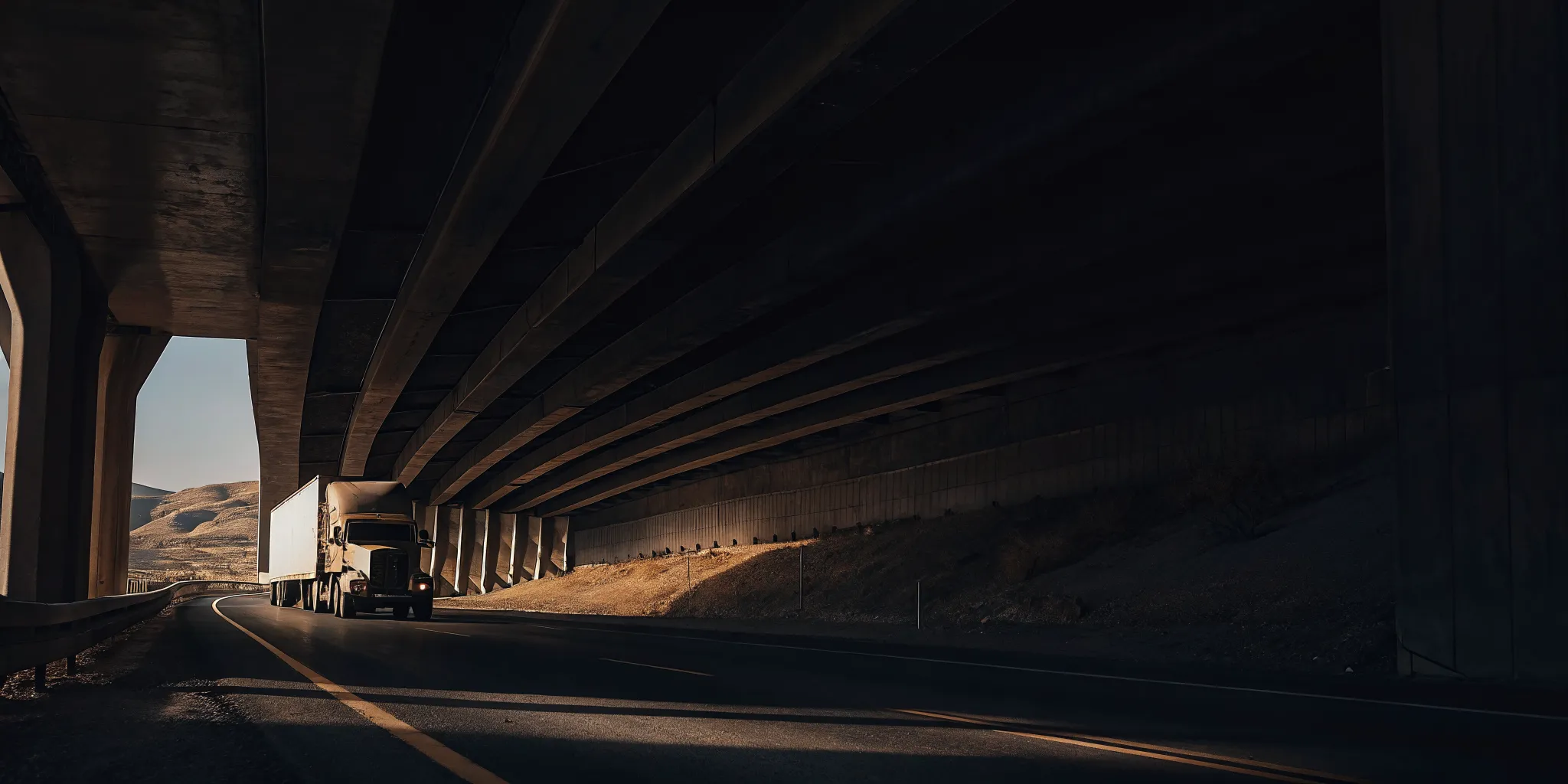
A collision with a commercial truck on Modesto's Highway 99 or SR 132 can leave an injured person dealing with serious medical needs, missed work, and an investigation involving far more than two drivers. Truck cases may involve federal safety rules, electronic records, the trucking company, cargo handlers, or equipment manufacturers.
If you were injured in a Modesto truck crash, a Modesto truck accident lawyer can investigate the collision, preserve critical evidence, identify every potentially responsible party, and pursue compensation while you focus on recovery.
DC Law Group represents accident victims throughout California's Central Valley, with Managing Attorney David Cohan directly involved in case strategy and handling. The firm works on a contingency fee basis, so clients do not pay an upfront retainer or consultation fee. Understanding the roadway, the commercial regulations, and the evidence that can establish fault is the first step toward protecting your claim.
Schedule your free case evaluation to discuss what happened and your next steps.
The Highway 99 and SR 132 Corridor in Modesto: A High-Risk Route for Commercial Trucking
Highway 99 and State Route 132 form an important transportation corridor through Modesto and the Central Valley. Highway 99 carries substantial commercial traffic through the region, while SR 132 connects local travel with routes used by commercial vehicles. That combination creates a roadway environment where passenger vehicles, delivery trucks, tractor-trailers, and other traffic must share limited space and respond quickly to changing conditions.
SR 132 is a significant transit route in Modesto, and the interaction between commercial and local traffic can increase the potential for collisions. Drivers may be entering or leaving the highway, changing lanes, slowing for congestion, or navigating intersections while large trucks operate nearby. Because commercial trucks require more distance and time to stop or maneuver, a sudden lane change or traffic backup can have serious consequences.
Why merge and diverge areas deserve particular attention
Caltrans has identified collision concerns on SR 99 in Modesto involving vehicles merging onto and diverging from the freeway. The Modesto Collision Severity Reduction project is intended to reduce the number and severity of collisions in those areas by managing traffic flow. The project documentation specifically identifies rear-end and sideswipe collisions associated with merging and diverging vehicles. Caltrans project materials provide the public record for that safety concern.
These locations can be challenging for truck drivers and passenger-vehicle drivers alike. A truck moving into a lane may create a blind-spot risk for a nearby vehicle. A passenger vehicle that brakes abruptly or remains beside a tractor-trailer through a merge can also become exposed to a sideswipe or rear-end impact. The physical size and weight of a commercial truck can magnify the consequences even when the initial driving error appears minor.
What the corridor means after a truck collision
A crash on Highway 99 or SR 132 may require more than a review of the traffic citation or the vehicles involved. The investigation may need to examine lane positions, merge patterns, driver decision-making, company safety practices, roadway conditions, and available vehicle data. Identifying how the collision occurred can also help determine whether responsibility extends beyond the truck driver.
If you were injured in this corridor, the truck accident practice area explains how a commercial truck claim may be evaluated. Early evidence preservation matters because roadway conditions, vehicle damage, witness recollections, and electronic records can change or become unavailable.
FMCSA Regulations That Apply to Modesto Truck Accident Claims
Federal trucking regulations can provide an important framework for determining whether a commercial driver or trucking company acted negligently. The Federal Motor Carrier Safety Administration (FMCSA) regulations include the rules in 49 CFR Parts 300-399, including requirements addressing driver fatigue, operating practices, and recordkeeping. These standards may apply alongside California traffic and personal injury law when a crash occurs on Highway 99, SR 132, or another Modesto roadway.
Hours-of-service rules are designed to prevent fatigued driving
Hours-of-service rules limit how long a commercial driver may remain on duty and behind the wheel before taking required rest periods. The purpose is to reduce the risk that a driver will operate a tractor-trailer while dangerously fatigued. A driver who exceeds permitted driving time, falsifies a log, or continues driving without required rest may have violated an FMCSA safety standard.
Fatigue violations do not by themselves decide every truck accident claim. They can, however, become significant evidence when they help explain why a driver failed to brake, drifted from a lane, or reacted too slowly. Investigators may compare the driver's schedule and dispatch records with the collision timeline, witness accounts, and available vehicle data.
ELD records can show whether the driver's account is accurate
Electronic Logging Devices, or ELDs, provide accurate records of a commercial driver's hours of service. Those records may help establish when the driver was operating the truck, whether required breaks were taken, and whether the driver's log is consistent with other evidence. An ELD record can be particularly important when a trucking company claims that its driver was properly rested, but the trip schedule suggests otherwise.
Preserving these records promptly matters. Data may be subject to retention limits or become harder to obtain as a claim develops. A FMCSA liability guide offers additional context about how federal safety rules can affect commercial truck claims.
How a regulatory violation may support negligence
To establish negligence, a claimant generally must connect the violation to the crash and resulting injuries. That may involve showing that the driver or trucking company failed to follow an applicable FMCSA requirement. That the failure created an unreasonable safety risk, and that the violation contributed to the collision. A Modesto truck accident lawyer may also examine whether company policies, dispatch pressure, or inadequate supervision encouraged unsafe driving. The regulations are one part of a broader investigation, but they can provide objective evidence when the parties dispute what happened.
Common Causes of Truck Accidents on Central Valley Highways
Truck collisions on Highway 99, SR 132, and other Central Valley routes can result from a momentary driving error, but the underlying cause is often more complicated. National data shows the stakes: 5,472 people died in traffic crashes involving large trucks in 2023, and 70% of those fatalities involved occupants of other vehicles. NHTSA crash data underscores why the conduct of a commercial driver and the trucking operation behind that driver both require careful investigation.
Driver fatigue and hours-of-service violations
Fatigue can impair reaction time, judgment, and the ability to maintain a lane. Federal Motor Carrier Safety Administration rules impose hours-of-service limits intended to prevent drivers from remaining behind the wheel for unsafe periods. Those requirements are found in 49 CFR Part 395 and apply alongside other federal commercial-vehicle safety rules. Electronic logging device records may help show whether a driver complied with those limits, took required breaks, or continued driving after becoming too fatigued to operate safely.
A fatigue investigation may involve more than the driver's statement. Investigators can examine dispatch instructions, delivery schedules, time records, inspection reports, and ELD data. A company that pressures a driver to meet an unreasonable schedule, ignores falsified logs. Or fails to respond to known fatigue concerns may face separate questions about negligent supervision or unsafe operating practices.
Improper loading and unsecured cargo
Cargo that is overloaded, unevenly distributed, or inadequately secured can shift during braking or turns. The resulting change in weight distribution may contribute to a rollover, jackknife, loss of control, or cargo striking another vehicle. A load can also fall onto the roadway and create a secondary collision hazard. The responsible party may be the trucking company, a separate cargo loader, or another business involved in preparing the shipment, depending on the evidence.
Equipment failure and neglected maintenance
Brake defects, worn tires, steering problems, lighting failures, and other mechanical issues can make a truck dangerous even when the driver is attentive. Maintenance records, inspection reports, repair invoices, and post-crash examinations may help establish whether a defect existed and whether someone knew, or should have known, about it. In some cases, the analysis may extend to a manufacturer if a defective component contributed to the collision.
These causes can overlap. A truck accident may involve fatigue, an overloaded trailer, and inadequate maintenance at the same time. That is why a commercial vehicle accident lawyer may investigate the driver, trucking company, cargo loaders, and equipment manufacturers rather than accepting the first explanation offered by an insurer.
How a Modesto Truck Accident Lawyer Determines Liability in a Commercial Crash
Commercial truck collisions rarely involve a single, obvious cause. A Modesto truck accident lawyer examines the driver's conduct, the trucking company's decisions, the loading process, and the truck's equipment before determining which parties may be legally responsible. This broader investigation is especially important on Highway 99, where California traffic laws governing commercial vehicles are strictly enforced in a corridor with substantial truck traffic.
Identifying every potentially responsible party
The truck driver may be liable for speeding, unsafe lane changes, distracted driving, impaired driving, or operating while fatigued. The trucking company may share responsibility if it pressured a driver to violate safety rules, failed to supervise or train the driver, or placed an unsafe vehicle into service.
Liability can also extend beyond the driver and carrier. A cargo-loading company may be responsible when improperly secured or distributed freight shifts during transit. A manufacturer or maintenance provider may be liable when defective brakes, tires, steering components, or other equipment contributes to the collision. The available evidence determines whether one party, several parties, or another entity bears responsibility.
Using FMCSA violations to prove negligence
To establish negligence, the investigation must connect a safety failure to the crash and resulting injuries. Federal Motor Carrier Safety Administration rules include hours-of-service requirements intended to prevent driver fatigue. A lawyer may compare dispatch records, driver logs, electronic logging device data, inspection records, and company policies to determine whether the carrier or driver violated those requirements. Other violations, such as inadequate inspections or unsafe loading practices, may provide additional evidence of a breach of the duty of care.
These federal requirements operate alongside California traffic laws. On Highway 99, strict enforcement of commercial vehicle rules can make the driver's citations, inspection history, and regulatory records important parts of the liability analysis. The FMCSA's hours-of-service regulations are available through its official Part 395 regulations.
Accounting for comparative negligence
California follows a pure comparative negligence system. If an injured person is found partly responsible, the person may still pursue damages, but the award is reduced by that person's percentage of fault. For example, an insurer may argue that a driver's lane position or following distance contributed to the impact. A careful investigation should address those allegations with physical evidence, witness accounts, vehicle data, and the applicable traffic rules.
Because commercial crashes can involve overlapping theories of liability and multiple insurance policies, victims may benefit from reviewing their options with DC Law Group's personal injury practice before giving a recorded statement or accepting an early settlement proposal.
Critical Evidence in a Modesto Truck Accident Investigation
Truck accident claims often turn on records that are controlled by the trucking company, its carrier, or other parties involved in the shipment. Promptly identifying and preserving those records can help establish what happened, who was responsible, and whether safety requirements were followed.
Driver logs and ELD data
Driver logs and Electronic Logging Device (ELD) data can show when a driver was operating the truck. When required rest periods occurred, and whether the recorded schedule is consistent with the collision timeline. ELDs are designed to provide accurate records of a driver's hours of service. Those records may help reveal fatigue-related violations or discrepancies between the driver's account and the available data. Because ELD information can be overwritten or become more difficult to obtain, a Modesto truck accident lawyer can send preservation demands and pursue the records before they are lost.
Maintenance and inspection records
Maintenance files may show whether the truck was inspected, serviced, and repaired before the crash. Investigators may examine records involving brakes, tires, steering components, lights, and other safety-critical equipment. These documents can also identify recurring defects, missed inspections, or repairs that were recommended but not completed. A complete review should account for the tractor, trailer, and any equipment that may have contributed to the collision.
Black box and vehicle data
Many commercial trucks contain event data or other onboard electronic systems that may record information about speed, braking, throttle activity, and vehicle movement. The precise information available varies by truck and system. Preserving the vehicle in its post-crash condition is important because repairs, downloading procedures, or routine system changes may affect the available data.
Witness statements and scene evidence
Witness statements can clarify lane positions, merging movements, traffic conditions, driver behavior, and what occurred immediately before impact. Photographs, video footage, vehicle damage, roadway marks, dispatch records, cargo documentation, and the crash report may provide additional context. A lawyer can coordinate with investigators, identify witnesses while their memories are fresh, and compare each account with the physical evidence.
If you were injured in a truck collision on Highway 99, SR 132, or another Modesto roadway, contact our office to discuss the evidence that may be available and the steps needed to preserve it.
Compensation Available for Truck Accident Victims in Modesto
A commercial truck collision can create financial pressure long after the emergency room visit. Because truck crashes often cause severe injuries, recovery may require extensive medical treatment, rehabilitation, prescription medication, transportation, and other ongoing support. A claim may seek compensation for the losses the collision caused, including:
- Medical expenses: Emergency care, hospital treatment, follow-up appointments, rehabilitation, medication, and reasonably anticipated future medical needs.
- Lost wages: Income lost while recovering, along with reduced earning capacity if the injuries limit your ability to return to the same work.
- Property damage: The cost of repairing or replacing a vehicle and replacing personal property damaged in the crash.
- Pain and suffering: The physical pain, emotional distress, loss of enjoyment, and disruption to daily life resulting from the injuries.
The value and scope of a claim depend on the medical evidence, the effect of the injuries on your work and personal life, and the evidence establishing fault. Truck cases can involve the driver, trucking company, cargo loader, or equipment manufacturer. A careful investigation is important when multiple parties or insurance carriers may be involved.
Financial support while a claim is pending
DC Law Group understands that medical bills and lost wages can create immediate hardship before a claim resolves. The firm offers a 24-hour cash advance program for personal injury victims who need financial support during case proceedings. Eligibility and terms depend on the circumstances of the case, so discuss the program directly with the firm.
DC Law Group also uses a contingency fee model. Clients do not pay an upfront retainer or consultation fee, and the firm receives a fee only if it wins the case. To discuss your injuries and potential sources of compensation, schedule your free case evaluation.
Frequently Asked Questions
What should I do immediately after a truck accident in Modesto?
Call 911, seek medical attention, and follow the treatment plan you receive. If you can do so safely, photograph the vehicles, roadway, traffic conditions, and visible injuries, and collect witness contact information. Avoid giving a recorded statement to a trucking company's insurer before you understand your rights. Preserve medical records and notify a truck accident attorney promptly so important evidence can be identified and preserved.
Who may be liable in a Modesto commercial truck accident?
Liability may extend beyond the truck driver. Depending on the evidence, potentially responsible parties can include the motor carrier, a cargo loader, a maintenance contractor, or an equipment manufacturer. The investigation may examine negligent driving, unsafe loading, inadequate maintenance, hiring and supervision practices, and violations of federal trucking or California safety requirements.
How long do I have to file a truck accident lawsuit in California?
California generally allows two years from the date of injury to file a personal injury lawsuit, according to the California Courts. Exceptions and separate deadlines can apply, including claims involving a government agency or tolling circumstances. Do not wait until the deadline is near, because witnesses, vehicle evidence, and electronic records may become harder to obtain.
What evidence is important after a Highway 99 or SR 132 truck collision?
Important evidence may include photographs, witness statements, police reports, medical records, driver logs, maintenance records, cargo documentation, and electronic logging device or black-box data. Federal rules address commercial drivers' hours of service through FMCSA regulations. Prompt preservation requests can help prevent electronic records from being overwritten.
Ready to discuss your Modesto truck accident claim?
A truck collision on Highway 99 or SR 132 can involve complex evidence and multiple potentially responsible parties. Speaking with a lawyer early may help you understand your options and protect important claim information. Schedule a free consultation with a Modesto truck accident lawyer to discuss the circumstances of your collision and the next steps available to you.