

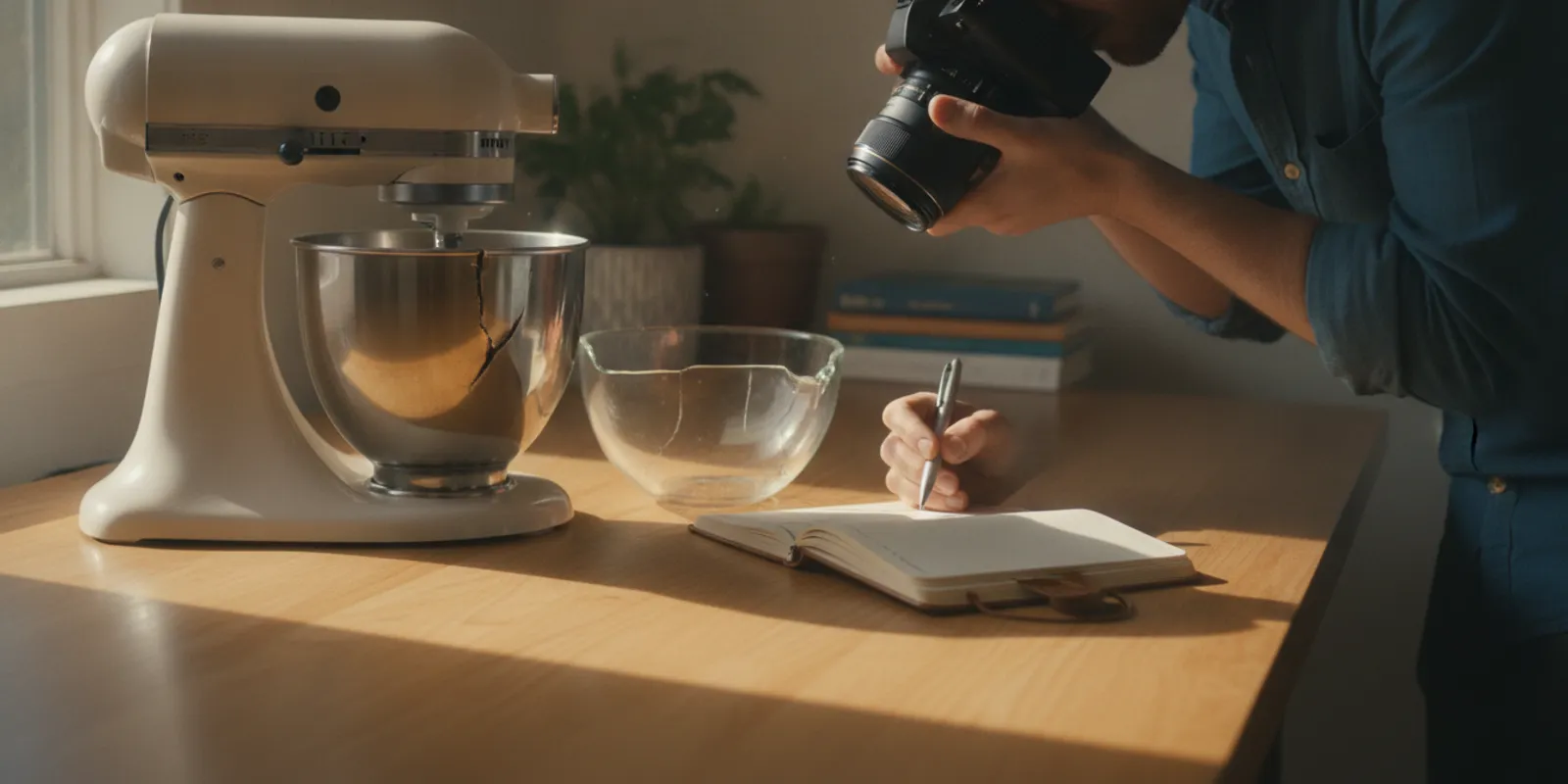
A product liability attorney can help explain whether a product defect may have contributed to an injury in California. The central questions are practical: Was the product defective when it left the responsible business? Did that defect cause harm while the product was being used in a reasonably expected way? And what evidence can still establish what happened? This guide outlines those questions so you can organize the facts and decide what to ask in a consultation.
What makes an injury a product liability matter?
A product liability claim concerns an injury allegedly caused by a defect in a product. The product might be a household appliance, tool, vehicle component, medical device, child product, or another item made or sold for use. A product that simply breaks is not automatically defective in the legal sense. The issue is whether a defect or an unreasonable safety risk contributed to an injury.
Potentially responsible parties can include a manufacturer, a company that assembled or distributed the item, or a retailer in the chain of distribution. The right parties depend on the product, its path to the buyer, and the facts. More than one business may be involved. A product case may also overlap with another kind of injury claim. For example, a component failure may contribute to a vehicle collision, but the product questions are distinct from questions about how the collision occurred.
California product claims can involve strict liability, negligence, or warranty theories. The legal requirements differ by theory. In general, a careful review asks what was wrong with the product, who had a role in designing, making, warning about, or selling it, and how the alleged defect connects to the injury. An attorney can assess which theories may fit; a product malfunction by itself does not answer every legal question.
What kinds of product defects may support a claim?
Product defect discussions commonly focus on three categories. These labels are a useful way to organize facts, not a substitute for evaluating the particular product and injury.
- Manufacturing defect: A particular item may differ from its intended design because something went wrong during production or assembly. A weak connection, missing component, contaminated batch, or improperly installed part could be relevant if evidence connects the deviation to the injury.
- Design defect: The product may have been made according to its plan, while the plan itself created an unreasonable safety risk. Review may consider the product's intended function, foreseeable uses, available design alternatives, and the balance of risks and benefits under California law.
- Warning or instruction defect: A product may lack adequate instructions or warnings about a risk that was not obvious to an ordinary user. The question is not whether every possible danger was listed. It is whether the information provided was adequate for the relevant risk and users.
The categories can overlap. A tool might have a design that exposes a user to a hazard, a specific unit could also have a faulty component, and its instructions might fail to explain the danger. An investigation should avoid settling on a cause before the product and its history are examined.
How do lawyers examine defect, causation, and use?
A useful framework connects three parts: a defect, an injury, and a causal link between them. The investigation also considers how the product was used and whether that use was reasonably foreseeable. A product can be unsafe in one setting yet not have caused a particular injury. Likewise, an injury occurring while someone uses an item does not alone prove that the item was defective.
For a manufacturing issue, investigators may compare the item with specifications, other units, or manufacturing records. For a design issue, they may examine the product's intended function, safety features, warnings, and technically feasible alternatives. For a warning issue, they may review labels, manuals, packaging, and how the hazard was communicated. Expert analysis may be needed to explain technical questions, but the evidence must still connect the alleged problem to the actual injury.
Use matters too. Relevant questions can include whether the product was used for its intended purpose, whether the maker could reasonably anticipate the way it was being used, whether it had been altered, and whether maintenance or repairs changed its condition. These facts do not automatically decide a claim. They help clarify the product's condition and the chain of events.
California courts may consider evidence of industry custom and practice in product cases, but that evidence can be relevant to either side rather than resolving the issue on its own. The California Supreme Court discussion of industry custom evidence is one example of why accepted practice is a piece of the analysis, not a complete answer to whether a product was safe.
Which evidence should you preserve after a product injury?
Evidence can change quickly after an incident. The product may be repaired, discarded, returned, or altered; packaging and digital records may also disappear. When it is safe to do so, preserve the item and its parts in their current condition. Do not attempt a repair or disassembly just to investigate a possible defect. If keeping the item creates a safety hazard, prioritize safety and document what you can before moving it.
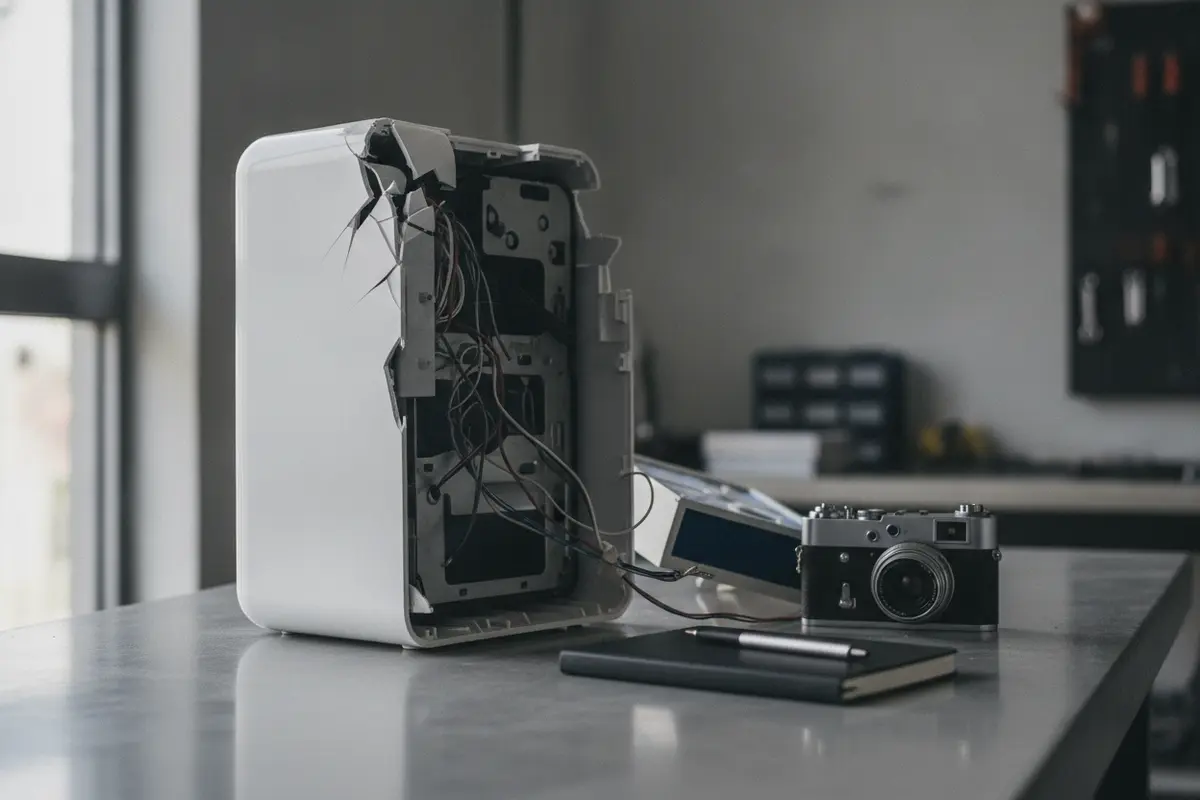
A damaged consumer product and its components documented as potential claim evidence
These steps can help create a clear record:
- Photograph the product and scene. Take clear pictures of the full item, any damaged or separated parts, labels, serial or model information, and the surrounding area. Capture multiple angles before anything is moved if conditions allow.
- Keep the item and related materials. Save the product, packaging, manuals, receipts, warnings, and accessories. Store them safely and note who has handled or moved them. Do not send the only example back to a seller or manufacturer without first considering how its condition will be documented.
- Write down the sequence of events. Record when and where the product was acquired, how it was set up, how it was used, what happened immediately before the injury, and what you noticed afterward. Separate what you personally observed from what someone else told you.
- Identify witnesses. Save names and contact details for people who saw the incident, the product's condition, or earlier problems with the same item. Ask them to preserve their own recollections rather than coordinating accounts.
- Keep injury and treatment records. Record the date and nature of the injury and retain relevant medical documents. Follow guidance from treating professionals and report symptoms accurately.
- Save communications. Keep emails, messages, repair notes, warranty contacts, incident reports, and any communications with a seller, manufacturer, or insurer. Avoid guessing about the cause in a written statement before the product has been evaluated.
Do not put yourself or anyone else at risk to preserve evidence. If a product is dangerous, keep people away from it and seek appropriate help. A legal team can discuss a safe way to document and retain an item, and whether an inspection protocol is needed before testing or destructive analysis.
Who may be responsible in the product chain?
Responsibility depends on evidence, not simply on which business name appears on the product. A manufacturer may have designed or produced the item. A supplier, assembler, distributor, or retailer may have handled it along the way. A repair company or another party may also become relevant if later work changed the product. These roles should be mapped rather than assumed.
Product identification is an important early task. Look for the manufacturer, model, serial number, lot number, and any safety notices. Receipts or order records can help identify where and when the item was acquired. If labels are damaged or missing, photographs, packaging, account records, or witness recollections may provide leads. Do not discard a replacement part or packaging before documenting it.
More than one theory or party may need review. A defective part could have originated with one company while another business assembled the finished product. A retailer's role may differ from a manufacturer's, and available evidence may change as records are obtained. The purpose of an initial review is to identify reasonable avenues of investigation, not to assume that every business in the chain is liable.
How can product condition, modification, or misuse affect review?
A product's condition when examined may not be the same as its condition at the time of injury. Normal wear, a repair, a modification, or continued use after damage can complicate the investigation. That does not automatically defeat a claim. It does mean that the timeline and changes should be described accurately and supported with records when possible.
Make a simple chronology: when the product was purchased or received, when it was first used, whether it was maintained or repaired, when a problem first appeared, and what changed afterward. Include ordinary details, such as who used it and whether it was assembled according to the supplied instructions. If someone modified the item, note what was changed, when, and by whom. These details help an attorney and any qualified investigator separate the original condition from later events.
Comparative responsibility may also matter in a California injury claim. The conduct of an injured person or another party can be examined alongside the alleged defect. Do not assume that one imperfect decision resolves the case. Instead, preserve the full account and let the evidence be assessed in context.
What steps can you take after a product-related injury?
First, get appropriate medical attention and follow professional instructions. Tell the treating provider what happened and identify the product involved. Your health comes before documentation or a legal inquiry.
Next, preserve the product and records as described above. Make a short timeline while events are fresh. Keep original photos and documents where possible, and make a separate copy for sharing. If an insurer, manufacturer, or seller contacts you, keep the correspondence and avoid making unsupported statements about who caused the incident. You can ask for communications in writing and take time to understand what is being requested.
Then consider speaking with a personal injury legal team about the facts. A consultation can help identify what information is missing, whether the product should be inspected, which parties may need investigation, and what deadlines could apply. DC Law Group handles California personal injury matters; its California injury law firm overview explains the firm's general representation. You can also review appointment options or use the car accident practice page if a product failure was part of a vehicle collision. That related page concerns crash claims; a product defect investigation asks separate questions about the item itself.
Product cases can involve technical evidence and multiple businesses, so timing can matter for preserving the item and records. Deadlines vary based on the facts and parties. Do not rely on a general article to calculate a filing deadline. Ask a qualified attorney promptly about the time limits and steps that apply to your situation.
How does an initial product claim review work?
An initial review usually starts with the basic story: what product was involved, what happened, what injury followed, and what records or physical evidence remain. It can then identify questions for further investigation. The table below is a practical checklist, not a finding that any particular defect or legal claim exists.
| Review area | Questions to organize | Examples of useful material |
|---|---|---|
| Product identity | What item, model, maker, and purchase channel can be identified? | Labels, serial numbers, receipts, order history, packaging |
| Product condition | What was damaged, missing, altered, or operating differently? | Preserved item, photographs, repair records, inspection notes |
| Incident sequence | How was the item being used, and what happened just before injury? | Timeline, witness details, incident report, contemporaneous notes |
| Warnings and design | What instructions or warnings were supplied, and what risk is at issue? | Manual, labels, packaging, product versions, safety communications |
| Injury and connection | What harm occurred, and how might the alleged defect relate to it? | Medical records, photographs, witness observations, expert review if appropriate |
| Other parties | Who designed, made, assembled, sold, repaired, or maintained the item? | Product markings, invoices, service records, business correspondence |
When can a product liability attorney help?
Legal guidance may be useful when an injury appears connected to a product malfunction, when the product needs to be preserved or examined, or when a business disputes responsibility. It can also help when the product passed through several companies, when technical questions arise, or when the incident overlaps with another claim. An attorney can explain what facts would matter, discuss possible investigation steps, and help you understand choices without promising a particular result.
Bring what you have, not a perfect file. A product, clear photographs, purchase details, a short chronology, medical information, and witness names can provide a starting point. If some information is missing, say so. Do not alter, discard, or test the product to fill a gap before getting guidance about how to protect the evidence.
Talk with DC Law Group about your situation
Frequently asked questions
Do I need to know exactly which component failed before asking for help?
No. Many people cannot identify a technical failure on their own. Preserve the product and describe what you observed. A qualified review may be needed to determine whether a defect existed and whether it contributed to the injury.
Can there be a claim if I did not buy the product?
Possibly. A person injured while using or encountering a product may have questions worth reviewing even if someone else bought it. The relevant facts include the product, the injury, how it was used, and the parties involved. An attorney can assess the circumstances rather than assuming that only the purchaser can ask about a claim.
What if the product was old or had been repaired?
Age or a repair can affect the evidence, but neither fact alone answers whether a claim may proceed. The timeline, product condition, repair records, and relationship between any change and the injury should be considered. Preserve available records and explain the history accurately.
Should I return the product to the seller or manufacturer?
Before returning, repairing, or discarding the item, document its condition and seek guidance about preserving it. If keeping it creates an immediate hazard, put safety first. Keep copies of any communications or instructions about the product.
Does a product recall prove that a defect caused my injury?
A recall or safety notice can be relevant, but it does not by itself establish that a particular product caused a particular injury or determine who is responsible. The product's identity, the notice's scope, the incident facts, and the injury still need to be evaluated.
Key takeaways
A product injury claim turns on the connection between an alleged defect and an injury, supported by evidence about the product, its use, and the businesses involved. Preserve the item and related records when safe, keep a clear timeline, and get medical care. A product liability attorney can review the facts, explain possible next steps, and help identify questions that need closer investigation.