
What Happened?
On July 30, 2026, a 39-year-old Jamestown man died in a head-on collision on Highway 108 in Tuolumne County, according to the California Highway Patrol. The crash occurred on the highway between Lower Mono Way and Old Wards Ferry Road when a Toyota Corolla driven by the Jamestown man was struck by a Ford F-250 whose driver had veered into the opposing lane.
The 64-year-old driver of the Ford F-250 was airlifted to a nearby hospital with major injuries. CHP officials confirmed that both vehicles sustained extensive damage in the collision, which blocked traffic on the rural mountain highway for several hours while emergency crews worked the scene.
CHP said it was not yet known whether alcohol or drugs played a role in the collision. The incident remains under active investigation by the Tuolumne County CHP office. Authorities are asking anyone who witnessed the crash or the moments leading up to it to contact the CHP office in Tuolumne County.
The fatality marks the latest in a series of serious collisions on Highway 108, a winding mountain thoroughfare that connects the Central Valley to the Sierra Nevada foothills and serves as a major route through the Gold Country region. The highway sees significant traffic from commuters, recreational travelers, and commercial vehicles navigating the steep terrain.
What Should Drivers Know About Highway 108 Safety?
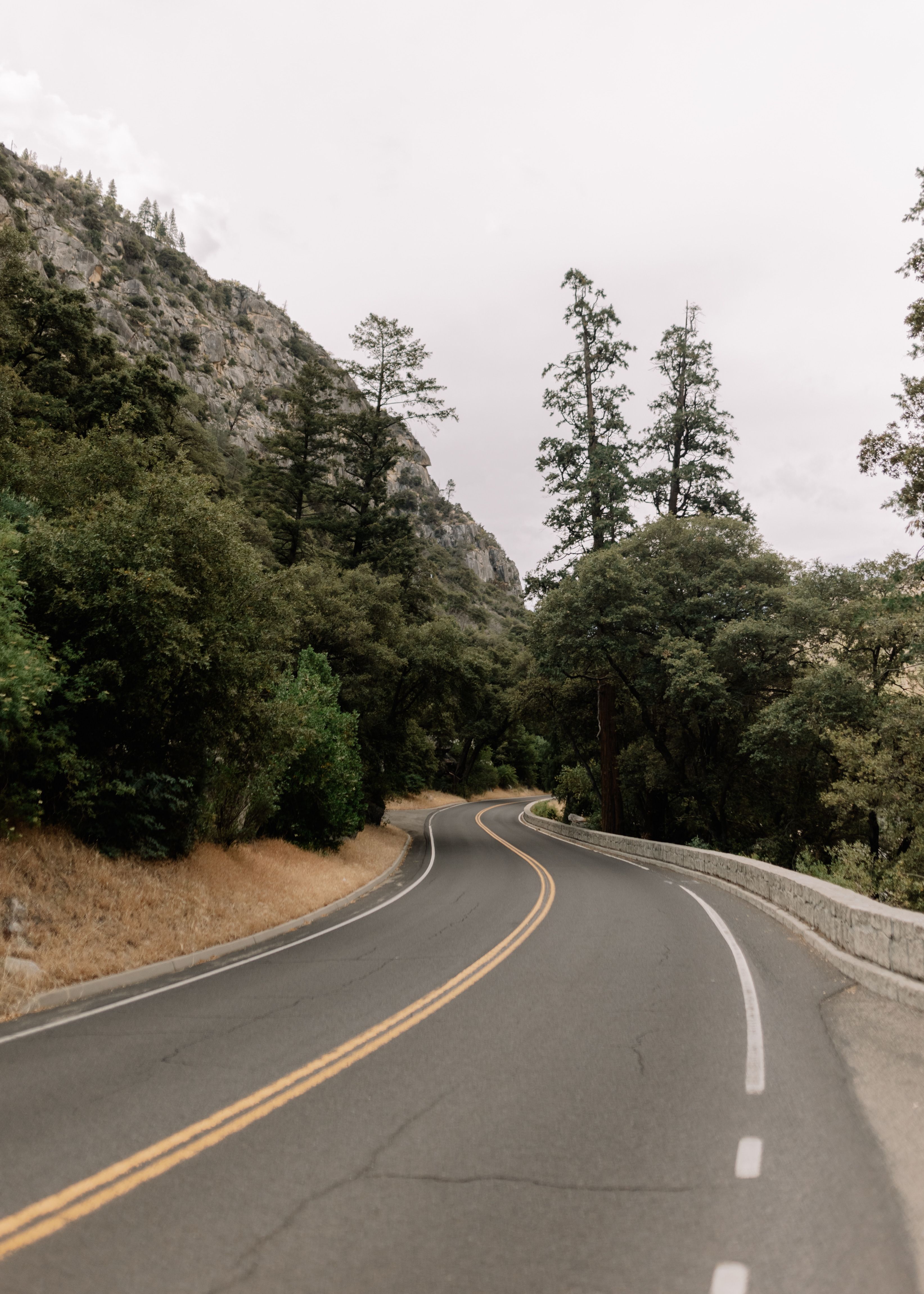
Highway 108 is a two-lane mountain highway through much of Tuolumne County, with limited shoulders, sharp curves, and sections where visibility is reduced by terrain and vegetation. The CHP has previously urged drivers to exercise caution on this stretch, particularly during the summer months when tourist traffic increases and drivers unfamiliar with the roadway contribute to a higher collision risk.
Head-on collisions on undivided highways like Highway 108 are among the deadliest crash types, often resulting in catastrophic injuries or fatalities due to the combined speed of both vehicles at the point of impact. Defensive driving techniques — including maintaining a safe speed for conditions, reducing speed on curves, and staying alert for vehicles crossing the center line — are critical on these roadways.
What Are Your Rights After a Serious Collision?
If you or a loved one has been injured or killed in a head-on or other serious vehicle collision on a California highway, you may be entitled to compensation for medical expenses, lost income, property damage, and pain and suffering. California law provides a two-year statute of limitations for personal injury claims arising from vehicle accidents, though wrongful death claims may have different filing deadlines depending on the circumstances.
California follows a comparative fault system, meaning that even if you were partially at fault for a crash, you may still recover damages proportional to the other party's share of responsibility. When a driver crosses the center line and causes a head-on collision, that driver is typically found to bear significant or total liability for the resulting injuries and losses.
Insurance companies handling claims after serious collisions often move quickly to obtain recorded statements or settlement agreements that may not account for the full extent of long-term medical needs and recovery. Consulting with an experienced personal injury attorney before speaking with an insurance adjuster can help protect your right to fair compensation.
What Evidence Should Be Preserved After a Highway Collision?
If you are involved in a serious highway collision, preserving evidence can make a substantial difference in any subsequent legal claim. Critical evidence includes photographs of the scene, vehicle positions, road conditions, and visible injuries; contact and insurance information for all involved drivers; witness names and phone numbers; the CHP collision report number; and any dash camera or surveillance footage from nearby businesses or residences.
Medical records documenting the full scope of treatment, from emergency transport through follow-up care, rehabilitation, and any long-term impairment, are essential to establishing the value of a claim. Documentation of time missed from work, reduced earning capacity, and out-of-pocket expenses also supports a comprehensive demand for damages.
Frequently Asked Questions
How common are head-on collisions on California highways?
Head-on collisions account for a small percentage of all crashes in California but are disproportionately deadly. According to data from the California Office of Traffic Safety, head-on collisions represent roughly 2 percent of all crashes but approximately 10 percent of traffic fatalities statewide. Rural two-lane highways like Highway 108 are statistically overrepresented in head-on crash data due to higher speeds, limited barriers, and passing zones that increase exposure to oncoming traffic.
What causes drivers to cross the center line?
Driver distraction, impairment from alcohol or drugs, fatigue, excessive speed on curves, medical emergencies, and environmental factors such as fog or glare can all cause a driver to cross the center line. In some cases, mechanical failure or a blown tire may also cause a vehicle to veer into oncoming traffic. Determining the exact cause is a primary focus of CHP investigations in serious or fatal collisions.
Who investigates fatal crashes in Tuolumne County?
The California Highway Patrol's Tuolumne County office handles investigation of serious and fatal collisions on state highways within the county, including Highway 108. CHP officers trained in collision reconstruction analyze skid marks, vehicle damage patterns, road conditions, and witness statements to determine the cause and contributing factors of the crash. Their findings are documented in a formal collision report.
What happens if the at-fault driver dies in the crash?
If the driver who caused a fatal head-on collision dies in the crash, surviving victims or their families may still pursue claims against the deceased driver's estate through a wrongful death or personal injury action. Insurance coverage applicable to the at-fault driver's vehicle typically remains available to compensate victims even after the driver's death, though the claims process may be more complex.
Can the family of someone killed in a crash pursue compensation?
Yes. Under California Code of Civil Procedure section 377.60, the surviving spouse, domestic partner, children, and other dependents of a person killed in a collision caused by another's negligence may file a wrongful death lawsuit. Compensation may include funeral and burial expenses, loss of financial support, loss of companionship and consortium, and the value of household services the deceased would have provided.
If you or a loved one has been injured in a California highway collision, contact DC Law Group for a free consultation about your legal options.