
Fatal Interstate 5 Crash Near Coalinga Under Investigation
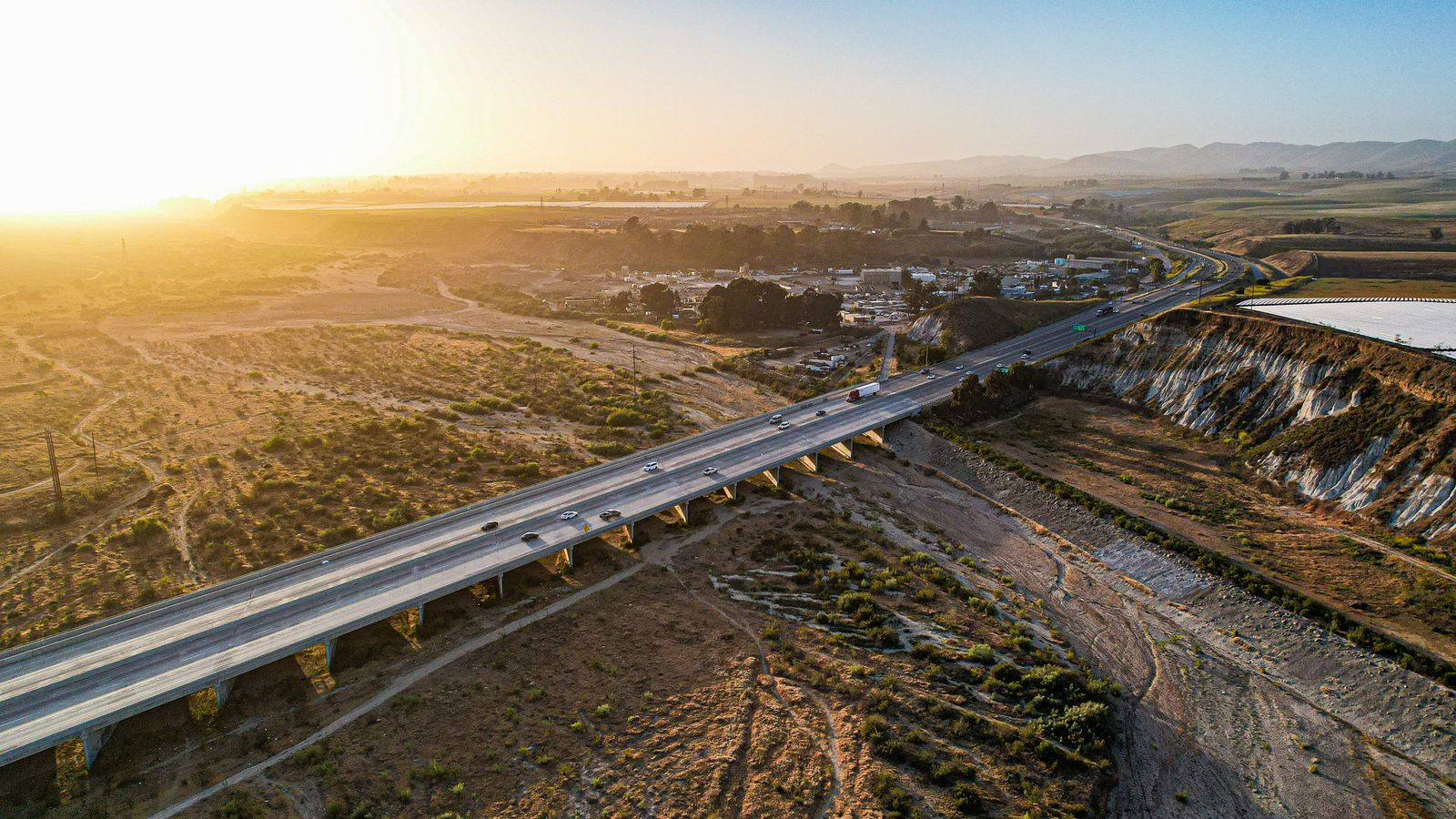
One person died and another suffered major injuries after a solo-vehicle crash on Interstate 5 near Coalinga, according to preliminary information reported by ABC30. The California Highway Patrol responded shortly before 3 a.m. on Thursday, June 18, 2026, to the area north of State Route 145. Authorities said a Mercedes veered into the center median, crossed into the southbound lanes, struck a guardrail, and traveled down an embankment. The driver was pronounced dead, while a passenger was hospitalized with major injuries. The cause remains under investigation.
If a serious highway collision has injured you or affected your family, contact DC Law Group to discuss the incident with a California accident attorney.
What Is Known About the Coalinga I-5 Collision?
CHP's preliminary account describes a sequence in which the Mercedes left its original path, crossed the median and opposing lanes, then hit a guardrail before descending the embankment. Investigators had not announced why the vehicle veered or identified every factor that may have contributed. Early accounts can change as officers interview witnesses, inspect the vehicle, and review physical evidence.
Median-crossing collisions create particular danger because a vehicle may enter opposing traffic at an unexpected angle. In this case, authorities reported that the Mercedes crossed the southbound lanes before striking roadside infrastructure. The investigation may consider roadway marks, lighting, visibility, driver condition, mechanical systems, and whether another road user's actions played a role. DC Law Group's accident practice helps injured people and families understand how this evidence can affect a claim.
How Does CHP Investigate a Solo-Vehicle Highway Crash?
CHP officers may map tire marks, gouges, debris, impact locations, and the vehicle's final position. Investigators may also examine seat belts, tires, steering components, and braking systems. Available event data can sometimes indicate speed, braking, or steering inputs shortly before impact. Witness statements, dispatch records, and nearby video may add context that is not apparent from the vehicle alone.
A solo-vehicle crash does not automatically establish that only the driver was responsible. Defective components, roadway hazards, negligent maintenance, or the conduct of another driver may become relevant. Preserving the vehicle and requesting available records promptly can help prevent important evidence from being lost. An experienced auto accident attorney can coordinate an independent review when appropriate.
What Should an Injured Passenger Do After a Crash?
An injured passenger should continue recommended medical care, retain discharge papers and treatment records, and document how the injuries affect daily activities. The passenger should also keep photographs, insurance correspondence, and contact information for possible witnesses. Before providing a detailed recorded statement, it can be helpful to understand which parties and policies may be involved.
Depending on the evidence, a passenger claim may involve the driver, another motorist, a vehicle owner, a manufacturer, or a public entity. California filing deadlines vary, and claims involving a public entity can require especially prompt action. To request a confidential review, contact DC Law Group.
Frequently Asked Questions
Where did the Coalinga crash happen?
The crash occurred on Interstate 5 north of State Route 145 near Coalinga in Fresno County.
What did CHP report about the vehicle's path?
Authorities said the Mercedes entered the center median, crossed the southbound lanes, hit a guardrail, and went down an embankment.
Has the cause been determined?
No final cause was announced in the initial report. CHP continues to investigate the circumstances.
Can an injured passenger pursue a claim?
An injured passenger may have legal options when another person or entity's negligence contributed to the collision.
Why should the vehicle be preserved?
A vehicle examination may reveal electronic data, component conditions, restraint evidence, and damage patterns that help explain the crash.