
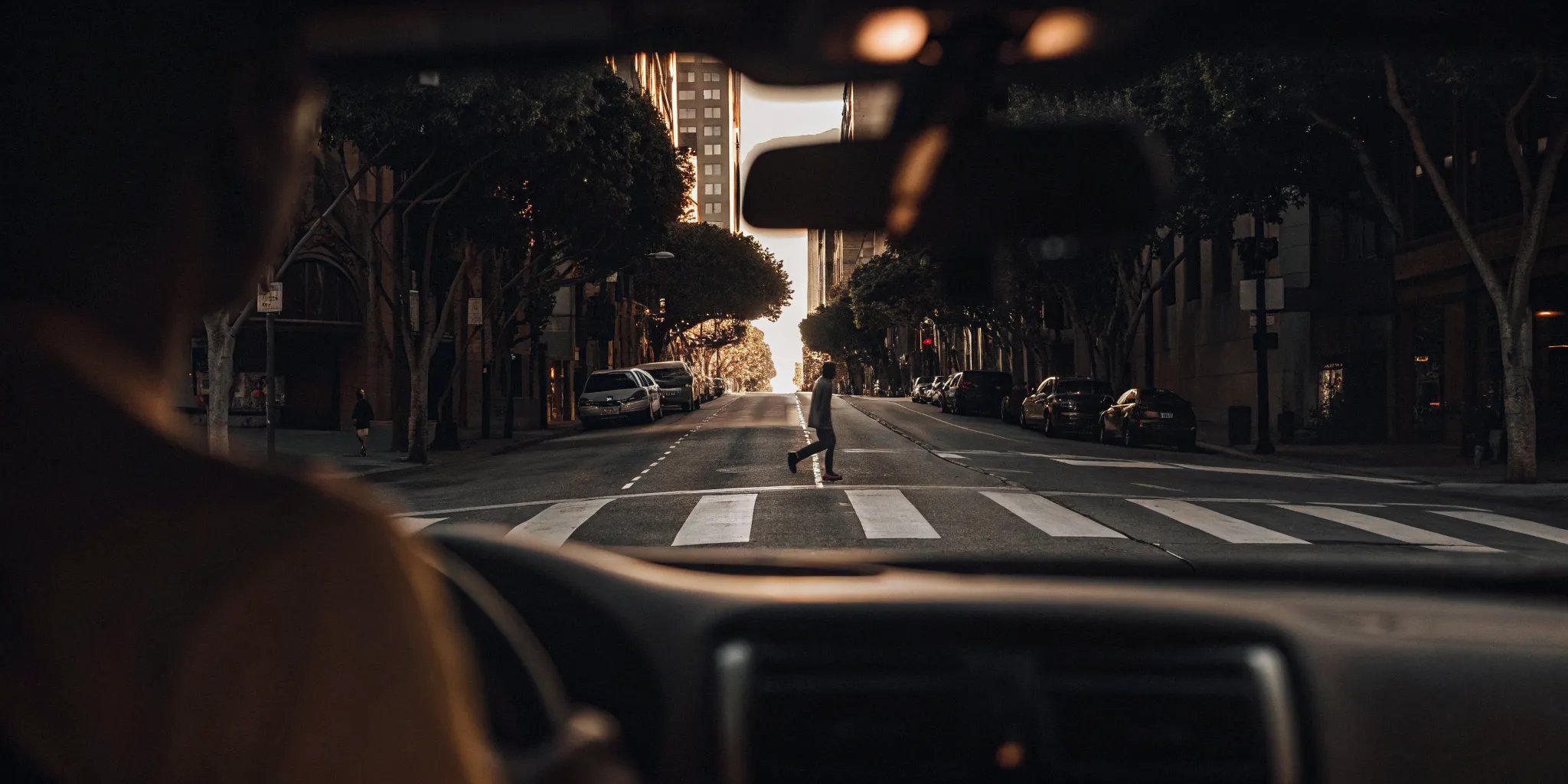
A crosswalk can look like the safest place to cross, yet an approaching vehicle can turn a routine trip into a life-changing collision. Intersections deserve particular caution: 18% of the 6,205 pedestrian fatalities recorded in 2019 occurred at intersections, according to the National Highway Traffic Safety Administration. The broader danger is also clear. The CDC reported approximately 7,000 pedestrian deaths in motor vehicle crashes in 2021, a 40-year high.
A California Crosswalk Accident Lawyer can help determine whether a driver failed to yield, preserve evidence from the scene. And pursue compensation when a pedestrian is injured, including in cases where fault is disputed.
California crosswalk cases often turn on the precise right-of-way rules governing the signal, the crossing, and the driver's movement. Understanding those rules is the starting point for evaluating what happened and what steps may protect your rights.## California Crosswalk Laws: Know Your Rights
California crosswalk rules apply at more locations than many drivers and pedestrians realize. A crosswalk may be marked with painted lines, but California law also recognizes certain unmarked crossings at intersections. Understanding the difference between a pedestrian and a crosswalk helps clarify who has the right-of-way and when a driver may be responsible for a collision.
Drivers must yield at marked and unmarked crossings
California Vehicle Code Section 21950 requires drivers to yield the right-of-way to pedestrians who are crossing within a crosswalk. The statute does not limit that protection to crossings with highly visible paint. At an intersection, an unmarked crosswalk may still exist where sidewalks or other pedestrian paths meet across the roadway. A driver should reduce speed, watch for people entering the crossing, and proceed only when it is reasonably safe.
Section 21453 adds a specific rule for turning vehicles. A driver turning at a signal must yield to pedestrians lawfully within the adjacent crosswalk, even after stopping at a red light. The driver must continue yielding until the turn can be completed with reasonable safety. Read the text of Vehicle Code Section 21453.
Pedestrian status and crosswalk location matter
California law distinguishes between the person using the roadway and the place where the crossing occurs. A pedestrian generally includes a person walking, while a crosswalk describes the portion of a roadway set aside for crossing at an intersection or other designated location. That distinction matters because a person may have crossing rights even when the pavement does not show painted stripes. It also means evidence about the intersection layout, sidewalks, signals, and the pedestrian's direction of travel can be important after a crash.
Pedestrians also have duties
Right-of-way is not an automatic license to enter traffic without caution. Under Vehicle Code Section 21954, pedestrians outside a crosswalk must yield to vehicles that are close enough to create an immediate hazard. Section 21453 also provides that a pedestrian facing a steady red light should not enter the roadway, unless directed otherwise by a pedestrian control signal. The statute states that rule directly in its signal requirements.
These rules do not decide every crosswalk claim by themselves. Police reports, signal timing, surveillance video, witness accounts, vehicle damage, and the precise crossing location may all help establish what happened. A California pedestrian accident lawyer can evaluate those facts and explain how the right-of-way rules apply to an individual collision.## Who Is Liable in a California Crosswalk Accident?
California crosswalk cases usually begin with a careful examination of the driver's conduct. A motorist who strikes a pedestrian in a crosswalk may be presumed responsible when the evidence shows the driver failed to keep a proper lookout. Yield, or stop safely. That presumption is not automatic in every case, but it can be important when the driver's account conflicts with witness statements, video, or the physical evidence.
Why drivers are often responsible
California Vehicle Code section 21950 requires drivers to yield to pedestrians in a crosswalk. Section 21453 also requires a turning driver to yield to a pedestrian lawfully in an adjacent crosswalk, even after the driver has stopped at a red signal. These duties apply at marked crossings and, in appropriate circumstances, at intersections where a pedestrian has the right-of-way.
California courts have reinforced that responsibility. In Schmitt v. Henderson, 1 Cal. 3d 460 (1969), the court recognized that a driver who hits a pedestrian in a crosswalk is often at fault unless the circumstances provide a legal excuse. In Merey v. Los Angeles Transit Lines, 170 Cal. App. 2d 457 (1959), the court addressed driver liability even where the driver had a green light. A signal does not necessarily eliminate the duty to watch for pedestrians and operate with reasonable care.
Common causes of driver liability
1. Looking at a phone, navigation system, or other distraction instead of the roadway.
1. Failing to yield while turning or entering a crosswalk.
1. Driving too fast for traffic, visibility, lighting, or intersection conditions.
1. Driving while impaired by alcohol, drugs, fatigue, or another condition that affects judgment.
Investigators may evaluate the traffic signal phase, vehicle damage, skid marks, surveillance footage, event data, lighting, and witness accounts. The goal is to determine what the driver saw, when the driver should have seen it, and whether a safer response was reasonably available.
When a pedestrian may share fault
A pedestrian's conduct can affect the outcome without automatically eliminating a claim. For example, a person who enters against a steady red pedestrian signal, jaywalks, or suddenly moves into traffic may be assigned a portion of the responsibility. California follows pure comparative negligence. This means an injured pedestrian may still recover compensation even if the pedestrian is found 99% responsible, although the recovery is reduced by that percentage.
Because liability often depends on timing and conflicting accounts, preserve photographs, video, medical records, and witness information as soon as possible. A California pedestrian accident lawyer can assess how the evidence supports or challenges each party's version of events.## Common Injuries in California Crosswalk Accidents
A pedestrian has no vehicle frame, airbag, or seat belt to absorb the force of a collision. Even a vehicle moving at a moderate speed can throw a person onto the pavement or into another vehicle. The resulting injuries may require emergency treatment, surgery, rehabilitation, and ongoing medical care. CDC data recorded 137,325 emergency department visits involving pedestrian injuries from January 2021 through December 2023, illustrating the substantial medical burden these crashes can create. CDC surveillance data provides important context, although each victim's injuries and prognosis are unique.
Fractures and road rash
Fractures commonly affect the legs, hips, arms, wrists, ribs, and pelvis. A pedestrian may instinctively put out a hand during the fall, leading to wrist or forearm injuries. A direct impact can also cause complex fractures that limit mobility and require surgical fixation. When skin slides across asphalt, road rash can remove multiple layers of tissue and may leave scarring, nerve damage, or infection risk. These injuries can be painful even when they appear less serious than a broken bone.
Brain, spinal cord, and internal injuries
A blow to the head can cause a traumatic brain injury, including a concussion or a more severe injury involving bleeding or swelling inside the skull. Symptoms may include confusion, memory problems, headaches, changes in balance, or difficulty concentrating. Some symptoms do not appear immediately, which is why prompt medical evaluation matters.
Spinal cord damage can result in persistent pain, loss of sensation, weakness, paralysis, or reduced independence. Internal bleeding and organ injuries may also be hidden after an impact. A person who feels capable of walking away from the scene can still need urgent assessment for internal trauma.
Soft tissue damage and lasting effects
Strains, sprains, ligament tears, and muscle injuries can affect the neck, back, shoulders, and knees. Soft tissue damage may restrict movement and interfere with work, sleep, and everyday activities. Serious injuries can lead to extended treatment, lost income, emotional distress, and permanent limitations.
Because the medical consequences may develop over time, a complete injury record is important. Legal representation can help document treatment, consult appropriate medical professionals, and present the full effect of severe injuries when seeking compensation from responsible parties.## Compensation Available for Crosswalk Accident Victims
The compensation available after a crosswalk collision depends on the injuries involved, the treatment required, and how the incident changes your daily life. A claim may include both immediate losses and the longer-term effects of an injury, rather than focusing only on the first hospital bill.
Medical treatment and future care
Recoverable medical damages can include emergency care, hospital treatment, diagnostic testing, medication, rehabilitation, and other reasonable services related to the crash. If the injury requires continuing treatment, a claim may also account for reasonably anticipated future medical needs. Documentation from healthcare providers helps show what care was necessary and how long recovery may take.
Income and earning capacity
If an injury keeps you from working, damages may include lost wages during recovery. A serious injury can also affect future earning capacity if it limits the type of work you can perform. The hours you can work, or your ability to advance in your occupation. Pay records, tax documents, employer information, and medical opinions may help establish these losses.
Pain, suffering, and property damage
A pedestrian may seek compensation for physical pain, emotional distress, inconvenience, and the loss of normal activities. The severity and duration of the injury, along with its effect on quality of life, are important considerations. Property damage may also be available for personal items damaged in the collision, such as a phone, bicycle, or other belongings.
California follows comparative negligence principles. If a pedestrian is found partly responsible, that finding can reduce the recovery, but it does not automatically eliminate it. The facts may include traffic signals, visibility, the driver's conduct, and each person's actions immediately before impact.
Deadlines also matter. In many California personal injury cases, the statute of limitations is two years from the date of the injury. When a public entity may be involved, such as a city or other government agency, a government claim may be required within six months. These rules can be fact-specific, so waiting to investigate can jeopardize an otherwise valid claim. Preserving medical records, wage documentation, photographs, and incident reports early can help clarify the full impact of the collision.## What to Do After a Crosswalk Accident in California
After a collision, your safety and medical condition come first. Intersection crashes can cause serious injuries even when the initial symptoms seem minor. In 2019, 18% of the 6,205 pedestrian fatalities reported nationally occurred at intersections, according to the National Highway Traffic Safety Administration. Follow these steps when you can do so safely:
1.
Get immediate medical attention
Call for medical help or go to an emergency department as soon as possible, even if you do not see an injury. Adrenaline can mask symptoms of a concussion, internal injury, or soft-tissue damage. Tell the provider that your injuries followed a crosswalk collision, and follow the recommended care plan. Prompt treatment also creates a medical record connecting your symptoms to the accident.
1.
Call 911 and make a police report
Ask the responding officers to document the collision and obtain the report number before leaving, if possible. Provide factual information, but do not guess about speed, fault, or the extent of your injuries. California law requires drivers to yield to pedestrians lawfully in an adjacent crosswalk when turning, including after stopping at a red signal. The circumstances documented at the scene may help clarify whether a driver failed to yield.
1.
Document the scene
If your condition permits, take photographs and video before the scene changes. Capture the crosswalk from several angles, the vehicle, your visible injuries, traffic signals, lane markings, lighting, property damage, and any skid marks or debris. Do not enter traffic to get a photograph. If you cannot document the scene yourself, ask a trusted person to preserve the evidence.
1.
Collect witness information
Ask witnesses for their names, phone numbers, and email addresses. Note where each person was standing and what they observed, including the signal phase, vehicle movement, and whether the driver stopped. Witnesses may leave before an investigation begins, so gather this information promptly and preserve any messages or notes about the conversation.
1.
Do not give a recorded insurance statement without legal advice
Notify your insurer as required by your policy, but do not agree to a recorded statement before speaking with a lawyer. An insurance adjuster may ask questions that invite speculation or minimize your injuries. Keep your answers accurate and limited to what you know. Do not sign a release or accept a settlement before you understand the full effect of your injuries and legal options.
1.
Contact a California crosswalk accident lawyer promptly
Early legal advice can help preserve video, vehicle data, witness accounts, and other evidence that may disappear. California generally allows two years to file a personal-injury lawsuit, but claims involving a public entity may require a government claim within six months. These deadlines can depend on the facts, so contact a California pedestrian accident lawyer as soon as possible to discuss your situation.
REQUEST A FREE CONSULTATIONWhy You Need a California Crosswalk Accident Lawyer
Crosswalk cases often turn on details that are easy to lose within hours of a collision. A driver or insurer may argue that the pedestrian moved suddenly, that the signal favored the vehicle, or that the injuries are less serious than reported. A specialized attorney can protect the evidence and address those arguments before they weaken your claim.
Insurers May Seek a Quick, Low Settlement
Insurance adjusters may request a recorded statement soon after the crash or present a low settlement offer before the full extent of your injuries is known. A statement made while you are disoriented or still receiving treatment can be taken out of context. Your lawyer can handle communications, evaluate the available coverage, and negotiate from documented medical and accident evidence instead of pressure from the insurer.
Evidence Can Disappear After the Collision
Crosswalk liability may depend on traffic-signal timing, vehicle speed, sight lines, lighting, and the positions of the pedestrian and vehicle. Counsel can coordinate accident-reconstruction analysis, seek available traffic-camera footage, preserve photographs, and collect witness statements while memories are fresh. That work can help distinguish a failure to yield from a disputed account of what happened.
California Deadlines and Shared Fault Matter
California follows pure comparative negligence. A pedestrian may still pursue damages even if an investigation assigns some responsibility to the pedestrian, although any recovery can be reduced by that percentage of fault. The analysis must account for the driver's conduct and the pedestrian's actions rather than accepting an insurer's conclusion.
Timing is also critical. A personal-injury lawsuit generally must be filed within two years of the injury. Claims involving a public entity, such as a city or other government agency, can require an administrative claim within six months. Missing the applicable deadline can bar an otherwise valid claim, so early legal review is important.
DC Law Group offers a client-centered approach led by Managing Attorney David Cohan, recognized as a Super Lawyers Rising Star. The firm coordinates medical care, provides personalized attention, and offers "We Come To You" home-visit consultations. Its contingency-fee model means there are no fees unless you win, and its 24-hour cash advance program may provide support during a difficult recovery. Learn more from DC Law Group's pedestrian injury attorneys.## Frequently Asked Questions
What should I do after a crosswalk accident in California?
Seek medical attention, even if symptoms seem minor, and report the collision to law enforcement. If you can do so safely, photograph the crosswalk, traffic signals, vehicle position, and visible injuries. Collect witness names and contact information, preserve medical records, and avoid giving a recorded statement to an insurer before understanding your rights.
Who is liable in a California crosswalk accident?
Liability depends on the evidence, including traffic signals, right-of-way, driver conduct, witness accounts, and the pedestrian's actions. California Vehicle Code section 21950 generally requires drivers to yield to pedestrians in crosswalks, while section 21453 addresses turning drivers and pedestrians facing a steady red signal. A careful fact review is necessary before assigning responsibility. (California Vehicle Code section 21453)
Is a driver automatically at fault if they hit a pedestrian in a crosswalk?
No. A crosswalk collision does not automatically resolve every liability question. Investigators may examine whether the driver failed to yield, turned without checking the crosswalk, was distracted, or violated another traffic rule. They may also consider whether the pedestrian entered against a signal or acted unexpectedly. California's comparative negligence rules can allow recovery even when an injured person shares some responsibility, although the amount may be reduced.
What compensation may be available after a crosswalk injury?
Depending on the proof and circumstances, a claim may seek damages for medical treatment, lost wages, pain and suffering, and damaged personal property. The value of a claim cannot be determined responsibly without reviewing the injuries, treatment, work impact, and available liability evidence.
How long do I have to file a pedestrian injury claim in California?
California generally provides two years from the injury for a personal injury lawsuit. Claims involving a public entity can require an administrative claim much sooner, sometimes within six months. Because deadlines and exceptions vary, preserve evidence and obtain case-specific legal guidance promptly.## Ready to Discuss Your Crosswalk Accident?
Understanding how California crosswalk laws apply to your circumstances can help you make informed decisions about what to do next. To schedule a free consultation with a California crosswalk accident lawyer, contact DC Law Group. Share what happened, ask your questions, and learn whether legal guidance may be appropriate for your situation.