
A roadwork collision can turn a familiar California highway into a confusing scene within seconds. A sharp lane shift, missing warning, loose gravel, or work truck entering traffic may implicate several parties, not only the drivers involved. A California construction zone accident lawyer can identify who controlled each hazard, preserve evidence before crews alter the scene, and determine which claim procedures apply.
These cases demand a broader investigation than an ordinary two-vehicle collision. The work zone may have been designed by one entity, installed by another, inspected by a public agency, and changed by a different subcontractor shortly before impact. Establishing liability means connecting a specific unsafe act or condition to the collision through reliable evidence.
Why are construction zone accident claims more complex?
Construction zones temporarily change the rules motorists expect. Lanes may narrow or curve, pavement markings may conflict, shoulders may disappear, and equipment may move close to live traffic. Drivers still have a duty to use reasonable care, but contractors and road authorities also must address foreseeable hazards within their control.
The core liability questions are control, notice, negligence, and causation. Who designed the temporary traffic pattern? Who installed and inspected it? Did someone know, or should someone have known, that a barrier had shifted or a warning was obscured? Did that condition contribute to the crash? Answers may be spread across contracts, traffic-control plans, daily reports, photographs, witness accounts, and electronic records.
California comparative fault principles also allow responsibility to be divided among multiple parties. For example, a driver may have been traveling too fast for the conditions while a contractor also created a dangerously abrupt merge. Evidence is needed to assess each party's contribution rather than accepting an early allegation that one person caused everything.
Which roadwork hazards may establish negligence?
A work-zone collision does not establish negligence by itself. A viable claim requires evidence that a person or entity failed to use reasonable care and that the failure contributed to an injury. Common hazards worth investigating include the following.
Lane shifts, tapers, and conflicting markings
A temporary lane should give motorists a reasonable opportunity to perceive and navigate the change. Problems may arise when a merge taper is abrupt, old striping remains visible, cones create inconsistent paths, or barriers reduce sight distance. Investigators may compare the scene with the approved traffic-control plan and determine whether later field changes were authorized and inspected.
Missing, obscured, or confusing warnings
Signs can be knocked down, turned away from traffic, covered by equipment, or placed too close to a hazard. Lighting and message boards may also be inadequate for nighttime conditions. Photographs taken from a driver's approach, not only beside the crash site, can show whether a reasonable motorist had enough time to understand the warning.
Loose material, uneven pavement, and open trenches
Gravel, mud, metal, broken pavement, and unsecured tools can cause a vehicle to lose traction or strike debris. Height differences between lanes and unfinished pavement edges may also affect steering. The investigation should determine who created the condition, who was assigned to inspect or clear it, and how long it existed.
Work vehicles and equipment entering live traffic
Dump trucks, loaders, sweepers, and other equipment may reverse, cross lanes, or enter traffic from areas with limited visibility. Relevant evidence can include operator training, spotter assignments, vehicle-camera footage, entry procedures, and dispatch records. A collision involving a commercial work vehicle may also share issues discussed in DC Law Group's guide to truck crash investigations on major California highways.
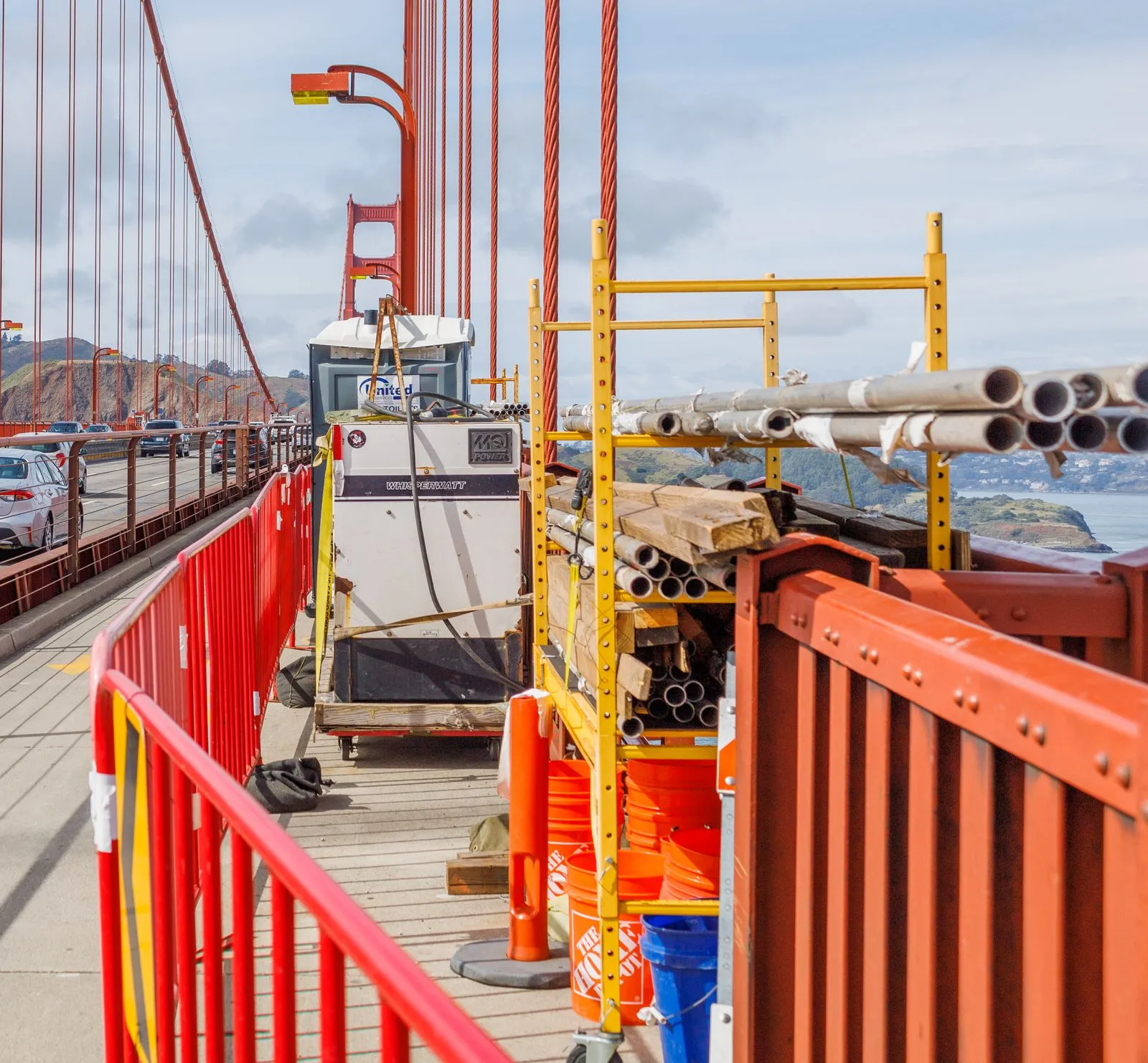
Temporary cones and barriers can change quickly, making prompt scene documentation important.
Who may be responsible for a California roadwork crash?
Potential partyConduct to investigateImportant evidenceMotoristUnsafe speed, distraction, following too closely, or an improper lane changeVehicle data, dashcam video, witness statements, and collision reportGeneral contractor or subcontractorImproper traffic control, debris, unsafe equipment operation, or deficient inspectionContracts, daily logs, traffic-control plans, photographs, and inspection recordsWork-vehicle operator or employerUnsafe entry into traffic, reversing without a spotter, or poor equipment maintenanceTraining files, camera footage, dispatch data, and maintenance recordsPublic entityDangerous roadway condition, project oversight, design, or notice of a recurring hazardPlans, complaints, permits, inspection reports, and public records
The documents that define each party's role are often as important as photographs of the hazard. A prime contractor may argue that a subcontractor controlled signs. A subcontractor may point to an agency-approved plan. The agency may contend that a contractor changed the setup without authorization. Reviewing agreements and field records helps distinguish formal responsibility from actual day-to-day control.
Other parties may become relevant in a particular case, including a traffic-control company, engineering consultant, equipment owner, material supplier, or property owner near the project. A careful investigation follows the evidence rather than assuming the most visible party is the only responsible one.
When can a public entity be liable?
A city, county, the State of California, or another public entity may be involved as the road owner, project sponsor, designer, inspector, or maintenance authority. A claim may examine whether public property was in a dangerous condition, whether the entity created the condition or had actual or constructive notice, and whether the condition was a substantial factor in causing injury. The facts and applicable statutory rules control the analysis.
Public-entity cases can also involve defenses concerning design approval, notice, causation, and the responsibility of independent contractors. That is why the investigation should identify what the approved plan required, what workers actually installed, whether inspectors documented a problem, and whether prior collisions or complaints revealed a recurring danger.
Special claim-presentation procedures can apply
Claims against California public entities generally involve a claim-presentation process before a lawsuit may proceed. For many personal injury matters, the deadline to present a government claim can be as short as six months from the incident. Other requirements, exceptions, and responses may affect the next step. Because an ordinary injury deadline may be longer, relying only on the general deadline can jeopardize a public-entity claim.
Prompt review also helps identify the correct public entity. A highway may involve state, county, city, or transit authority responsibilities, and the construction company visible at the scene may not reveal the agency that owns or supervises the project.
What evidence should you preserve after a roadwork collision?
Construction zones are temporary by design. Crews may move cones, repair pavement, remove debris, and change lane patterns within hours. A focused preservation plan should begin as soon as safety and medical needs allow.
1. Document the full approach to the zone. Photograph or record warning signs, lane markings, barriers, lighting, sight lines, loose material, vehicle positions, and the transition into the work area from several distances.
2. Identify witnesses and workers. Obtain names and contact details for motorists, passengers, flaggers, nearby workers, and businesses with cameras. Note company names and vehicle numbers visible at the scene.
3. Preserve electronic evidence. Save dashcam recordings immediately. Vehicle event data, nearby surveillance, project cameras, and work-vehicle video may be overwritten, so timely preservation notices can matter.
4. Retain official and project records. Keep the collision report, citations, photographs, correspondence, and any notice identifying the project. Counsel can pursue contracts, plans, inspections, complaints, and daily reports.
5. Maintain medical documentation. Seek appropriate medical attention and keep records of symptoms, diagnoses, treatment, restrictions, and how the injuries affect daily activities.
6. Protect physical evidence. Preserve the vehicle and damaged personal property when practical until relevant parties have a fair opportunity to inspect them.
Wide-angle photographs may be especially valuable when signage or lane geometry is disputed. A close image can show that a cone was damaged, while a wider image can show that drivers had no usable warning before reaching it. Weather, daylight, traffic volume, and ongoing work activity should also be documented.
Injury documentation can support the causal connection between the collision and resulting harm. DC Law Group's explanation of damages in a California personal injury claim provides additional context on the forms of harm that evidence may need to establish.
How does a California construction zone accident lawyer investigate?
A California construction zone accident lawyer begins by mapping the project and identifying every entity with operational control. That process may include reviewing permits, contracts, subcontracts, change orders, traffic-control plans, daily work reports, inspection logs, safety meeting records, and communications among the agency and contractors.
Preservation letters can request that parties retain video, photographs, vehicle data, work logs, and electronic messages. Public-record requests may reveal inspection reports, complaints, approved plans, and earlier incidents. Witness interviews can clarify whether a sign had been missing for hours, whether crews recently moved a barrier, or whether a work truck entered traffic without a spotter.
When appropriate, qualified experts may evaluate traffic-control design, visibility, vehicle movements, roadway geometry, or injury causation. The purpose is not to replace facts with an opinion. It is to apply specialized knowledge to reliable records and explain how an unsafe condition contributed to the sequence of events.
A lawyer also evaluates procedural issues early. Those may include the government-claim process, preservation obligations, the general statute of limitations, and the identities of parties that should receive notice. DC Law Group's overview of the California car accident claim timeline explains why investigation and resolution do not always move at the same pace.
What defenses arise in construction zone injury claims?
Drivers, contractors, and public entities frequently dispute fault. A motorist may be accused of speeding, distraction, or failing to observe an obvious warning. A contractor may contend that it followed the approved traffic-control plan or lacked authority over the disputed condition. A public entity may challenge notice, causation, statutory compliance, or the availability of a particular theory.
Contemporaneous evidence is often the strongest response. Scene photos can show an obstructed sign. Dashcam video can establish that a lane ended without adequate warning. Project logs may reveal that workers knew a barrier had shifted. Contracts can identify the company assigned to inspect the zone. Medical records can connect reported symptoms and treatment to the collision.
Comparative fault does not necessarily end a claim merely because an injured person may share some responsibility. Instead, the evidence may support allocating fault among those whose conduct contributed. Each case requires a fact-specific legal analysis.
Steps to take after a serious construction zone crash
- Move to a safe location when possible and contact emergency services.
- Obtain appropriate medical evaluation, including for symptoms that may not be immediately obvious.
- Photograph the changing roadwork scene without placing yourself in traffic or interfering with responders.
- Exchange information and identify witnesses, workers, contractor names, and public-agency markings.
- Avoid guessing about fault in recorded statements before the scene and responsible parties are understood.
- Preserve photographs, video, medical records, damaged property, and all correspondence.
- Seek prompt legal guidance when a contractor or public entity may be involved.
For broader guidance about collision claims, review DC Law Group's California accident and personal injury resources. The right next steps depend on the injuries, parties, location, and evidence in the individual case.
Frequently asked questions
Can both a driver and a contractor be liable?
Yes. California comparative fault principles can allocate responsibility among multiple parties when separate negligent acts contribute to the same collision. Evidence must establish each party's conduct and causal role.
What if roadwork signs were missing or confusing?
Photograph the approach and complete traffic-control setup as soon as safely possible. Approved plans, inspection records, video, work logs, and witness accounts can help determine whether the warnings were adequate.
Can I bring a claim involving a government agency?
Potentially. Public-entity matters involve specialized claim-presentation procedures and short deadlines that may apply before a lawsuit. Prompt legal review is important to identify the correct entity and preserve available options.
What if the construction zone changed after the collision?
Changes make early evidence preservation especially important. Scene images, dashcam video, witness statements, project records, and timely preservation notices may establish how the zone appeared at the relevant time.
What if I may have been partly responsible?
Partial responsibility does not automatically prevent recovery under California comparative fault principles. The available evidence should be reviewed to assess the conduct and contribution of every involved party.
How soon should a roadwork crash be investigated?
As soon as practical. Temporary traffic controls and video can change or disappear quickly, and a public-entity claim may involve a much shorter presentation deadline than an ordinary injury claim.